

The Economic Impacts of High-Pressure Petroleum Pipeline Infrastructure: A Comprehensive Analysis
Jan 31,2026
The Economic Impacts of High-Pressure Petroleum Pipeline Infrastructure
Table of Contents
1. Introduction to High-Pressure Petroleum Pipelines
2. The Role of Pipelines in Economic Growth
3. Job Creation and Employment Opportunities
4. Infrastructure Investment and Local Economies
5. Environmental Considerations and Sustainable Practices
6. Challenges of High-Pressure Pipel
The Economic Impacts of High-Pressure Petroleum Pipeline Infrastructure
Table of Contents
- 1. Introduction to High-Pressure Petroleum Pipelines
- 2. The Role of Pipelines in Economic Growth
- 3. Job Creation and Employment Opportunities
- 4. Infrastructure Investment and Local Economies
- 5. Environmental Considerations and Sustainable Practices
- 6. Challenges of High-Pressure Pipeline Infrastructure
- 7. Case Studies: Economic Impacts in Different Regions
- 8. Future Outlook of Petroleum Pipeline Infrastructure
- 9. Frequently Asked Questions
- 10. Conclusion
1. Introduction to High-Pressure Petroleum Pipelines
High-pressure petroleum pipelines are crucial for the efficient transportation of crude oil and natural gas from extraction sites to refineries and distribution points. These infrastructures play a significant role in ensuring energy security and economic stability. As global demand for energy continues to rise, understanding the **economic impacts** of these pipelines becomes increasingly vital for policymakers, investors, and communities alike.
2. The Role of Pipelines in Economic Growth
The development of high-pressure petroleum pipelines directly contributes to economic growth by facilitating the transportation of energy resources. Efficient pipeline systems reduce the costs associated with energy delivery, which can lead to lower prices for consumers and increased competitiveness for businesses. This section explores:
2.1 Enhancing Energy Security
Reliable pipeline infrastructure enhances national energy security by ensuring a steady supply of petroleum products. This reliability minimizes the risk of shortages and price volatility, fostering a stable economic environment.
2.2 Supporting Industrial Development
Access to affordable energy resources is critical for industrial growth. High-pressure pipelines enable industries to operate more efficiently, driving productivity and attracting investment.
2.3 Boosting Regional Economies
Pipeline projects often stimulate local economies by generating revenue through taxes and fees. Regions with such infrastructures tend to experience higher economic activity, as businesses and residents benefit from improved energy access.
3. Job Creation and Employment Opportunities
The construction and maintenance of high-pressure petroleum pipelines create numerous job opportunities. From skilled labor to administrative roles, the pipeline sector supports a diverse workforce.
3.1 Temporary Employment During Construction
The construction phase of pipeline projects generates temporary jobs, providing employment for thousands of workers. This influx of jobs can lead to increased spending in local communities, further stimulating economic growth.
3.2 Permanent Positions in Operations and Maintenance
Once operational, pipelines require ongoing maintenance and management, resulting in permanent job opportunities. These roles often include engineers, technicians, and environmental specialists who ensure safe and efficient pipeline operations.
3.3 Indirect Job Creation
The economic activity generated by pipeline projects creates ripple effects, leading to indirect job creation in sectors such as retail, hospitality, and transportation. Increased demand for goods and services in the area fosters a vibrant local economy.
4. Infrastructure Investment and Local Economies
Investment in high-pressure petroleum pipeline infrastructure has the potential to transform local economies. The financial influx from these projects can lead to improved public services and enhanced quality of life.
4.1 Enhanced Public Services
Revenue generated from pipeline operations can be allocated to public services, such as education, healthcare, and transportation infrastructure. This investment contributes to overall community well-being.
4.2 Real Estate Development
Increased energy access often leads to population growth and real estate development. Areas near pipeline routes may see an uptick in property values, benefiting homeowners and local governments through increased property taxes.
4.3 Long-Term Economic Resilience
A robust pipeline infrastructure promotes long-term economic resilience by diversifying local economies and reducing reliance on a single industry. This diversification helps communities withstand economic shocks and adapt to changing market conditions.
5. Environmental Considerations and Sustainable Practices
While the economic benefits of high-pressure petroleum pipelines are significant, it is crucial to consider their environmental impacts. Balancing economic growth with environmental stewardship is essential for sustainable development.
5.1 Minimizing Environmental Footprint
Modern pipeline construction techniques aim to minimize environmental disruption. Technologies such as trenchless construction and advanced monitoring systems help reduce the ecological impact of pipeline projects.
5.2 Community Engagement and Transparency
Engaging with local communities during the planning and construction phases fosters transparency and addresses environmental concerns. Open communication builds trust and can lead to more sustainable project outcomes.
5.3 Investing in Renewable Energy
Integrating renewable energy sources into petroleum pipeline projects can enhance sustainability. Some companies are exploring hybrid systems that utilize both fossil fuels and renewable energy, contributing to a cleaner energy future.
6. Challenges of High-Pressure Pipeline Infrastructure
Despite the economic advantages, high-pressure petroleum pipelines face several challenges that can hinder their development and operation.
6.1 Regulatory Hurdles
Navigating the regulatory landscape can be complex and time-consuming. Permitting processes often involve multiple stakeholders and lengthy reviews, delaying project timelines and increasing costs.
6.2 Public Opposition and Activism
Public opposition to pipeline projects can arise from environmental concerns, land use issues, and indigenous rights. Effective communication and community engagement are crucial for addressing these challenges.
6.3 Safety and Risk Management
Ensuring the safety and integrity of pipeline infrastructure is paramount. Companies must invest in regular inspections, maintenance, and risk management strategies to prevent accidents and environmental incidents.
7. Case Studies: Economic Impacts in Different Regions
Examining specific case studies can provide valuable insights into the economic impacts of high-pressure petroleum pipelines in various regions.
7.1 North Dakota's Bakken Formation
The Bakken Formation has experienced significant economic growth due to pipeline infrastructure that facilitates the transportation of crude oil. Job creation, increased investments, and local business growth illustrate the region’s transformation.
7.2 The Keystone XL Pipeline Controversy
The Keystone XL pipeline project highlights the complexities of pipeline development, including economic benefits and environmental concerns. Analyzing stakeholder perspectives can provide a balanced view of the project's implications.
7.3 Trans-Alaska Pipeline System (TAPS)
TAPS has been instrumental in Alaska's economy since its completion in 1977. The pipeline's economic contributions include job creation, revenue generation, and the establishment of support industries in surrounding communities.
8. Future Outlook of Petroleum Pipeline Infrastructure
The future of high-pressure petroleum pipeline infrastructure is shaped by technological advancements, policy changes, and shifting energy demands.
8.1 Integration of Technology
Emerging technologies, such as artificial intelligence and blockchain, have the potential to revolutionize pipeline operations. These innovations can enhance safety, efficiency, and transparency in pipeline management.
8.2 Evolving Energy Landscape
As the world shifts toward renewable energy sources, the role of petroleum pipelines may evolve. Understanding how to adapt these infrastructures for future energy needs is essential for sustaining their economic impacts.
8.3 Policy and Regulatory Changes
Future developments in energy policy and regulations will play a critical role in shaping the pipeline industry. Staying informed about legislative changes will help stakeholders navigate the evolving landscape.
9. Frequently Asked Questions
What are high-pressure petroleum pipelines?
High-pressure petroleum pipelines are specialized conduits designed for transporting crude oil and natural gas at high pressures, ensuring efficient delivery from production sites to processing facilities.
How do pipelines contribute to economic growth?
Pipelines facilitate the reliable transportation of energy resources, leading to lower costs, enhanced industrial competitiveness, and increased tax revenues for local communities.
What types of jobs do pipeline projects create?
Pipeline projects create a range of job opportunities, including construction roles, engineering positions, and long-term operational and maintenance jobs.
What are the environmental impacts of pipelines?
While pipelines provide economic benefits, they can also pose environmental risks. Proper planning and modern construction techniques can help minimize these impacts.
How do pipeline projects affect local communities?
Pipeline projects can stimulate local economies through job creation and infrastructure investment, but they can also face opposition based on environmental and land use concerns.
10. Conclusion
High-pressure petroleum pipeline infrastructure plays a pivotal role in shaping the economic landscape of regions across the globe. While the advantages of job creation, economic growth, and enhanced energy security are substantial, it is essential to remain mindful of environmental considerations and community engagement. As the energy sector evolves, the ability to adapt and innovate will determine the future impacts of these critical infrastructures. By understanding the complex interplay between economics, community needs, and environmental stewardship, we can foster a sustainable energy future that benefits all stakeholders involved.
Key words:
RELATED INFORMATION
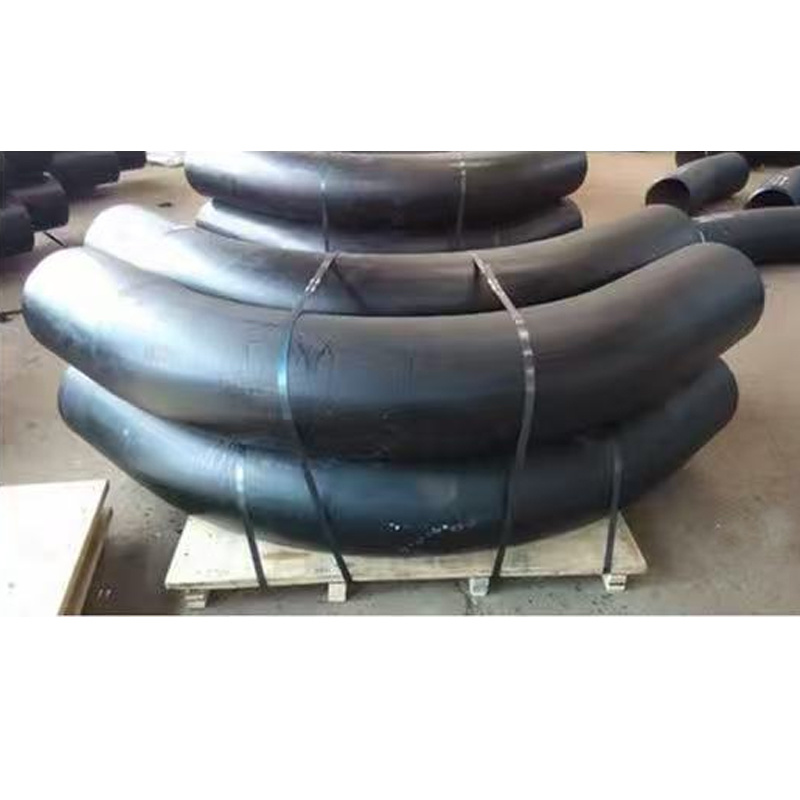
Understanding High-Pressure Plastic-Coated Bends in Industrial Piping Systems
High-pressure plastic-coated bends are critical components in industrial piping systems, especially in applications where durability and resistance to corrosion are paramount. These bends are specifically designed to manage the flow of fluids or gases under high-pressure conditions while maintaining optimal performance and reliability.
The primary function of high-pressure plastic-coated bends is
Sep 13,2026

How to Maintain High-Pressure Alloy Seamless Steel Pipes for Longevity
How to Maintain High-Pressure Alloy Seamless Steel Pipes for Longevity
Table of Contents
Understanding High-Pressure Alloy Seamless Steel Pipes
The Importance of Maintenance for High-Pressure Pipes
Common Challenges in Maintaining High-Pressure Pipes
Best Practices for Maintaining High-Pressure Alloy Seamless Steel Pipes
Regular Inspections and Assessments
Sep 09,2026

Understanding High-Pressure Alloy Bends: Essential Components for Industrial Piping Systems
High-pressure alloy bends are critical components in the design and operation of industrial piping systems. These bends facilitate the efficient transport of fluids and gases under high-pressure conditions, making them indispensable in various applications, including oil and gas, chemical processing, and power generation.
One of the primary advantages of high-pressure alloy bends is their ability
Sep 05,2026

Service E-mail
Tel
Tel
Address
Room 715, Block A, Qinglin Building, Chentangzhuang, Hexi District, Tianjin
Ask For A Quick Quote
We will contact you within one working day. Please pay attention to your email.