

Understanding High-Pressure Alloy Bends: Essential Knowledge for Industrial Piping Systems
Feb 03,2026
High-pressure alloy bends are specialized components designed to facilitate the smooth transition of fluids within pipe systems under high pressure. These bends are typically crafted from high-strength alloys that can withstand extreme conditions, including elevated temperatures and aggressive chemical environments. Their primary function is to redirect fluid flow, allowing for efficient transport
High-pressure alloy bends are specialized components designed to facilitate the smooth transition of fluids within pipe systems under high pressure. These bends are typically crafted from high-strength alloys that can withstand extreme conditions, including elevated temperatures and aggressive chemical environments. Their primary function is to redirect fluid flow, allowing for efficient transportation within intricate piping networks without compromising the structural integrity of the system.
One of the key advantages of using high-pressure alloy bends is their ability to maintain the desired flow dynamics while minimizing pressure loss. This is crucial in industrial applications where efficiency directly impacts operational costs and overall productivity. The specific design of these bends, including radius and angle, can be tailored to meet the unique requirements of various applications, ensuring that fluid dynamics are optimized.
In various industries, such as oil and gas, chemical processing, and power generation, high-pressure alloy bends are indispensable. They are often employed in systems that transport hydrocarbons, corrosive chemicals, or steam, where traditional materials would fail under intense operating conditions. The use of high-strength alloys not only enhances durability but also ensures safety by reducing the risk of leaks or failures during high-pressure operations.
When selecting high-pressure alloy bends for a specific application, there are several technical considerations to keep in mind. First, understanding the material properties is essential. Alloys used in these bends must possess excellent corrosion resistance, tensile strength, and thermal stability. Additionally, considerations regarding the bend radius and wall thickness are crucial to maintaining the integrity of the piping system and ensuring compliance with industry standards.
Another critical factor is the manufacturing process. High-pressure alloy bends are typically produced through methods such as hot bending or cold bending, each offering distinct advantages depending on the application requirements. Hot bending, for example, allows for tighter radii and can accommodate complex geometries, while cold bending is advantageous for maintaining the material's integrity and mechanical properties.
In summary, high-pressure alloy bends are vital components in high-pressure piping systems, enabling efficient fluid transport while withstanding harsh conditions. By understanding their applications, material properties, and manufacturing processes, professionals in the industrial sector can make informed decisions that enhance system performance and reliability. Embracing these technical insights will not only improve operational efficiency but also contribute to the long-term success of their projects.
One of the key advantages of using high-pressure alloy bends is their ability to maintain the desired flow dynamics while minimizing pressure loss. This is crucial in industrial applications where efficiency directly impacts operational costs and overall productivity. The specific design of these bends, including radius and angle, can be tailored to meet the unique requirements of various applications, ensuring that fluid dynamics are optimized.
In various industries, such as oil and gas, chemical processing, and power generation, high-pressure alloy bends are indispensable. They are often employed in systems that transport hydrocarbons, corrosive chemicals, or steam, where traditional materials would fail under intense operating conditions. The use of high-strength alloys not only enhances durability but also ensures safety by reducing the risk of leaks or failures during high-pressure operations.
When selecting high-pressure alloy bends for a specific application, there are several technical considerations to keep in mind. First, understanding the material properties is essential. Alloys used in these bends must possess excellent corrosion resistance, tensile strength, and thermal stability. Additionally, considerations regarding the bend radius and wall thickness are crucial to maintaining the integrity of the piping system and ensuring compliance with industry standards.
Another critical factor is the manufacturing process. High-pressure alloy bends are typically produced through methods such as hot bending or cold bending, each offering distinct advantages depending on the application requirements. Hot bending, for example, allows for tighter radii and can accommodate complex geometries, while cold bending is advantageous for maintaining the material's integrity and mechanical properties.
In summary, high-pressure alloy bends are vital components in high-pressure piping systems, enabling efficient fluid transport while withstanding harsh conditions. By understanding their applications, material properties, and manufacturing processes, professionals in the industrial sector can make informed decisions that enhance system performance and reliability. Embracing these technical insights will not only improve operational efficiency but also contribute to the long-term success of their projects.
Key words:
RELATED INFORMATION
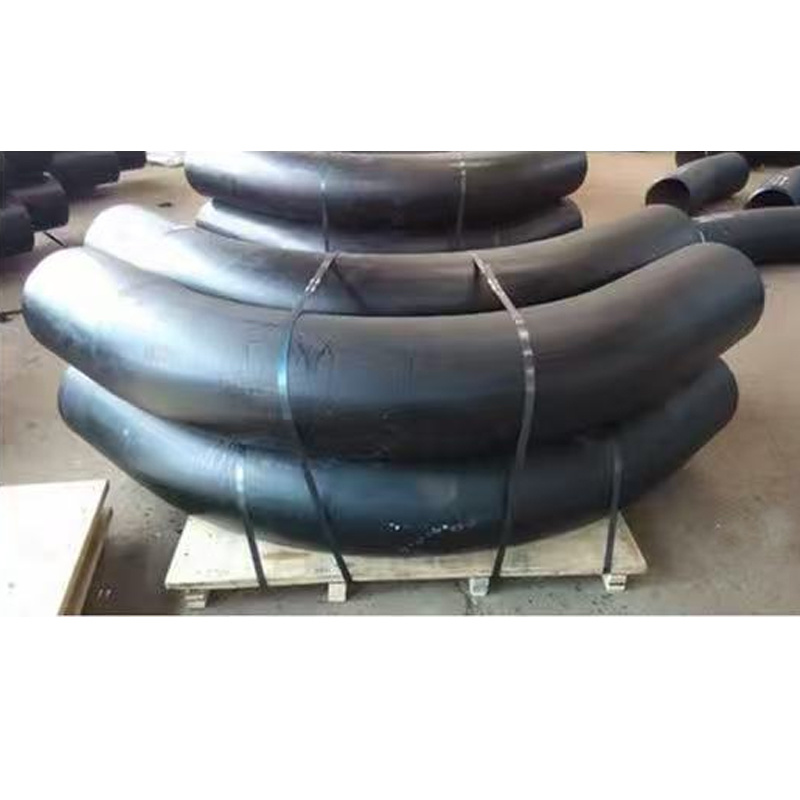
Understanding High-Pressure Plastic-Coated Bends in Industrial Piping Systems
High-pressure plastic-coated bends are critical components in industrial piping systems, especially in applications where durability and resistance to corrosion are paramount. These bends are specifically designed to manage the flow of fluids or gases under high-pressure conditions while maintaining optimal performance and reliability.
The primary function of high-pressure plastic-coated bends is
Sep 13,2026

How to Maintain High-Pressure Alloy Seamless Steel Pipes for Longevity
How to Maintain High-Pressure Alloy Seamless Steel Pipes for Longevity
Table of Contents
Understanding High-Pressure Alloy Seamless Steel Pipes
The Importance of Maintenance for High-Pressure Pipes
Common Challenges in Maintaining High-Pressure Pipes
Best Practices for Maintaining High-Pressure Alloy Seamless Steel Pipes
Regular Inspections and Assessments
Sep 09,2026
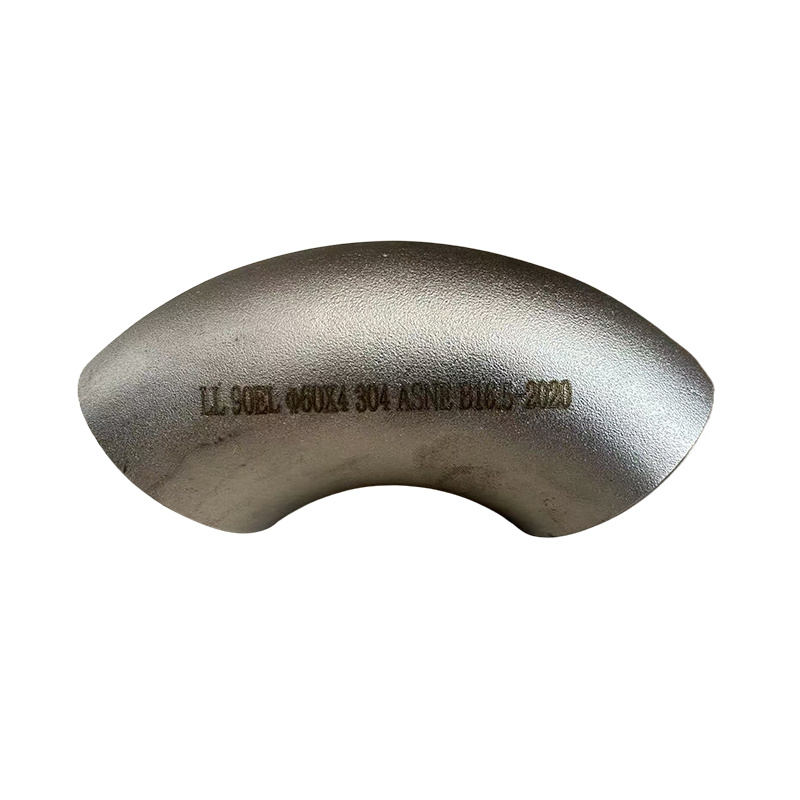
Understanding High-Pressure Alloy Bends: Essential Components for Industrial Piping Systems
High-pressure alloy bends are critical components in the design and operation of industrial piping systems. These bends facilitate the efficient transport of fluids and gases under high-pressure conditions, making them indispensable in various applications, including oil and gas, chemical processing, and power generation.
One of the primary advantages of high-pressure alloy bends is their ability
Sep 05,2026

Service E-mail
Tel
Tel
Address
Room 715, Block A, Qinglin Building, Chentangzhuang, Hexi District, Tianjin
Ask For A Quick Quote
We will contact you within one working day. Please pay attention to your email.