

How High-Pressure Alloy Seamless Steel Pipes Stand Out in the Market
Feb 06,2026
How High-Pressure Alloy Seamless Steel Pipes Stand Out in the Market
Table of Contents
Introduction to High-Pressure Alloy Seamless Steel Pipes
What Are High-Pressure Alloy Seamless Steel Pipes?
The Manufacturing Process of High-Pressure Alloy Seamless Steel Pipes
Key Advantages of High-Pressure Alloy Seamless Steel Pipes
Applications of High-Pressure Alloy Seamless Steel Pipe
How High-Pressure Alloy Seamless Steel Pipes Stand Out in the Market
Table of Contents
- Introduction to High-Pressure Alloy Seamless Steel Pipes
- What Are High-Pressure Alloy Seamless Steel Pipes?
- The Manufacturing Process of High-Pressure Alloy Seamless Steel Pipes
- Key Advantages of High-Pressure Alloy Seamless Steel Pipes
- Applications of High-Pressure Alloy Seamless Steel Pipes
- Comparative Analysis with Other Pipe Types
- Growing Market Demand for High-Pressure Alloy Seamless Steel Pipes
- Future Forecast and Trends in High-Pressure Alloy Seamless Steel Pipes
- Conclusion
- Frequently Asked Questions
Introduction to High-Pressure Alloy Seamless Steel Pipes
High-pressure alloy seamless steel pipes have emerged as a vital component in various industrial applications, particularly in sectors that demand high strength and resistance to extreme conditions. Their unique properties make them stand out in the competitive market of piping solutions. This article delves deep into what makes these pipes exceptional, exploring their manufacturing processes, advantages, applications, and future trends.
What Are High-Pressure Alloy Seamless Steel Pipes?
High-pressure alloy seamless steel pipes are manufactured from a composite of high-quality steel and alloy, designed specifically to withstand high pressure and temperature. Unlike welded pipes, seamless pipes are created from a solid steel billet, which is heated and then formed into a pipe without seams. This process results in a pipe that offers superior strength, durability, and resistance to corrosion and fatigue.
Characteristics of High-Pressure Alloy Seamless Steel Pipes
These pipes possess several key characteristics that enhance their performance:
- **High strength-to-weight ratio**: They maintain strength while being lightweight, making them easier to handle and install.
- **Corrosion resistance**: The alloy compositions often include elements like chromium and nickel, which significantly improve corrosion resistance.
- **Longevity**: Their robust nature allows for extended service life, reducing the need for replacements and maintenance.
The Manufacturing Process of High-Pressure Alloy Seamless Steel Pipes
The manufacturing of high-pressure alloy seamless steel pipes involves a series of precise steps:
1. Steel Billet Preparation
High-quality steel billets are sourced, ensuring that they meet the required specifications for alloy content and strength.
2. Heating
The billets are heated to a temperature that makes them malleable, allowing them to be shaped into a pipe.
3. Piercing
The heated billet undergoes a piercing process, where it is drilled to create a hollow tube.
4. Elongation
The hollow tube is then elongated and further shaped to the desired length and diameter. This step ensures that the pipe has uniform thickness and strength.
5. Heat Treatment
To enhance the mechanical properties, the pipes undergo heat treatment processes, which improve their strength and ductility.
6. Testing
Quality assurance is critical. Each pipe is subjected to rigorous testing for pressure, durability, and other relevant parameters.
Key Advantages of High-Pressure Alloy Seamless Steel Pipes
High-pressure alloy seamless steel pipes present numerous advantages that make them a preferred choice in various industries:
1. Enhanced Strength and Durability
Their seamless nature provides higher resistance to cracking under pressure, making them suitable for high-stakes environments.
2. Versatility in Applications
These pipes can be used in diverse industries, including oil and gas, chemical processing, and power generation.
3. Cost-effectiveness
Though the initial investment may be higher, the longevity and reduced maintenance costs make them financially viable in the long run.
4. Improved Safety Features
The robust construction minimizes the risk of leakage or failure, ensuring safety in high-pressure operations.
Applications of High-Pressure Alloy Seamless Steel Pipes
High-pressure alloy seamless steel pipes find applications across various sectors:
1. Oil and Gas Industry
Utilized for transporting crude oil and natural gas under high pressure, these pipes play a critical role in ensuring efficient energy delivery.
2. Chemical Processing
In chemical plants, they are used to handle aggressive fluids at elevated temperatures and pressures, which require materials that can withstand such conditions.
3. Power Generation
These pipes are essential in power plants for steam generation and transportation, where high-pressure resistance is crucial.
4. Aerospace and Automotive
Their strength and lightweight properties make them ideal for aerospace applications, contributing to fuel efficiency and safety.
Comparative Analysis with Other Pipe Types
When comparing high-pressure alloy seamless steel pipes with welded or other types of pipes, several factors come into play:
1. Strength and Pressure Ratings
Seamless pipes typically offer higher pressure ratings compared to welded pipes, which may have weaknesses at the seams.
2. Corrosion Resistance
While welded pipes can be prone to corrosion at the weld points, seamless pipes provide consistent protection throughout.
3. Design Flexibility
Seamless pipes can be manufactured in various sizes and thicknesses without compromising structural integrity.
Growing Market Demand for High-Pressure Alloy Seamless Steel Pipes
As industries continue to evolve, the demand for high-pressure alloy seamless steel pipes is on the rise. Factors contributing to this growth include:
1. Industrial Growth
The expansion of the oil and gas sector, coupled with advancements in the chemical processing industry, has spurred demand for reliable piping solutions.
2. Technological Advancements
Innovations in manufacturing processes have made high-pressure alloy seamless steel pipes more accessible and affordable.
3. Stringent Regulatory Standards
Increased regulations regarding safety and environmental concerns necessitate the use of high-quality materials that can withstand extreme conditions.
Future Forecast and Trends in High-Pressure Alloy Seamless Steel Pipes
Looking ahead, several trends are shaping the future of high-pressure alloy seamless steel pipes:
1. Sustainable Manufacturing Practices
As industries focus on sustainability, manufacturers are likely to adopt greener practices, reducing environmental impact.
2. Advanced Alloys Development
Research is ongoing to develop new alloy compositions that enhance performance characteristics, including weight reduction and increased strength.
3. Increased Automation in Manufacturing
Automation is expected to streamline production processes, improving efficiency and reducing costs associated with manual labor.
Conclusion
High-pressure alloy seamless steel pipes are indispensable in modern industries, offering unmatched strength, durability, and versatility. Their manufacturing process, combined with key advantages, positions them as a leader in piping solutions. As market demand continues to rise, and technology advances, these pipes will likely remain at the forefront of industrial applications, shaping the future of energy, chemical processing, and beyond.
Frequently Asked Questions
1. What is the primary difference between seamless and welded pipes?
Seamless pipes are made from a solid steel billet and do not have weld seams, offering greater strength and pressure resistance compared to welded pipes.
2. What industries commonly utilize high-pressure alloy seamless steel pipes?
Common industries include oil and gas, chemical processing, power generation, aerospace, and automotive.
3. How do high-pressure alloy seamless steel pipes compare in terms of cost?
While the initial cost may be higher, their long-term durability and reduced maintenance make them a cost-effective choice.
4. Are there specific standards for manufacturing these pipes?
Yes, manufacturers must adhere to international standards such as ASTM and ASME to ensure quality and performance.
5. Can high-pressure alloy seamless steel pipes be customized?
Yes, they can be customized in terms of size, thickness, and alloy composition to meet specific application requirements.
Key words:
RELATED INFORMATION
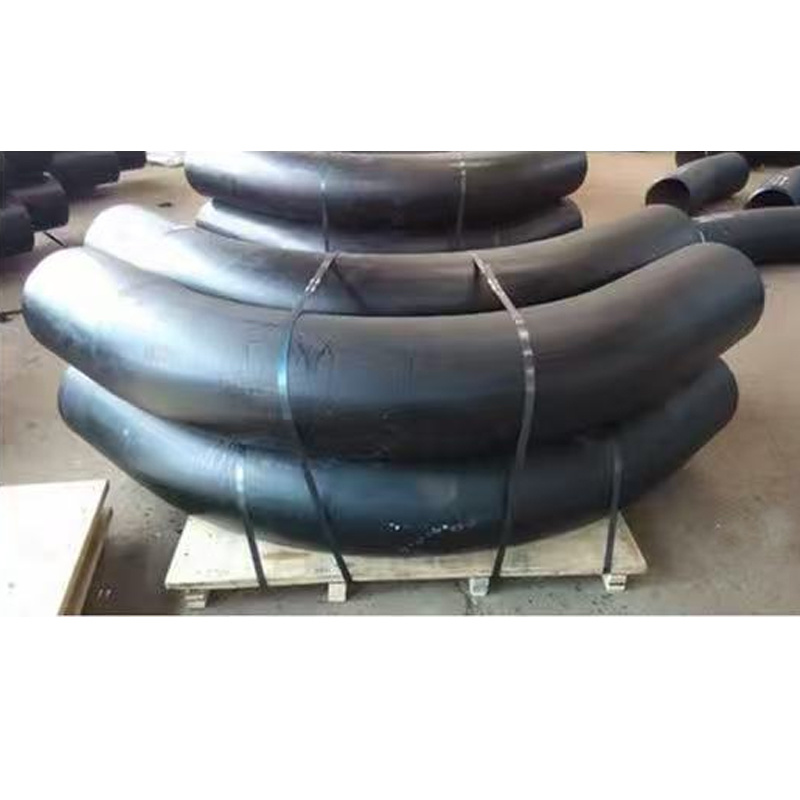
Understanding High-Pressure Plastic-Coated Bends in Industrial Piping Systems
High-pressure plastic-coated bends are critical components in industrial piping systems, especially in applications where durability and resistance to corrosion are paramount. These bends are specifically designed to manage the flow of fluids or gases under high-pressure conditions while maintaining optimal performance and reliability.
The primary function of high-pressure plastic-coated bends is
Sep 13,2026

How to Maintain High-Pressure Alloy Seamless Steel Pipes for Longevity
How to Maintain High-Pressure Alloy Seamless Steel Pipes for Longevity
Table of Contents
Understanding High-Pressure Alloy Seamless Steel Pipes
The Importance of Maintenance for High-Pressure Pipes
Common Challenges in Maintaining High-Pressure Pipes
Best Practices for Maintaining High-Pressure Alloy Seamless Steel Pipes
Regular Inspections and Assessments
Sep 09,2026
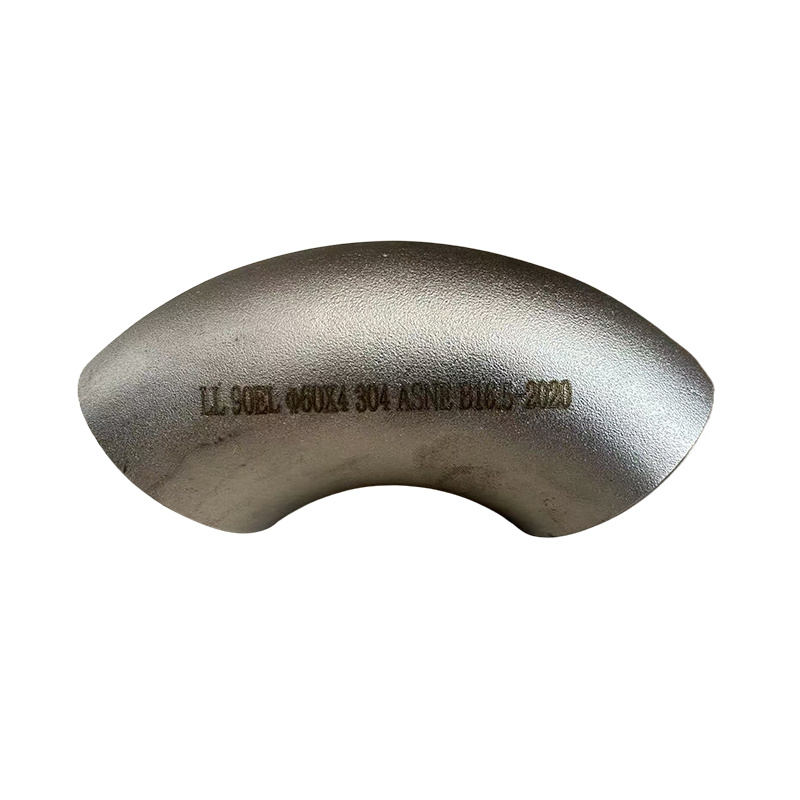
Understanding High-Pressure Alloy Bends: Essential Components for Industrial Piping Systems
High-pressure alloy bends are critical components in the design and operation of industrial piping systems. These bends facilitate the efficient transport of fluids and gases under high-pressure conditions, making them indispensable in various applications, including oil and gas, chemical processing, and power generation.
One of the primary advantages of high-pressure alloy bends is their ability
Sep 05,2026

Service E-mail
Tel
Tel
Address
Room 715, Block A, Qinglin Building, Chentangzhuang, Hexi District, Tianjin
Ask For A Quick Quote
We will contact you within one working day. Please pay attention to your email.