

Understanding High-Pressure Plastic-Coated Bends in Industrial Piping Systems
Feb 09,2026
High-pressure plastic-coated bends are essential components in modern industrial piping systems, designed to withstand extreme conditions while ensuring durability and reliability. These specialized bends are commonly employed in various industries, including oil and gas, chemical processing, and water treatment, where fluid transport integrity is critical.
The primary purpose of high-pressure pla
High-pressure plastic-coated bends are essential components in modern industrial piping systems, designed to withstand extreme conditions while ensuring durability and reliability. These specialized bends are commonly employed in various industries, including oil and gas, chemical processing, and water treatment, where fluid transport integrity is critical.
The primary purpose of high-pressure plastic-coated bends is to facilitate the safe and efficient transport of fluids, gases, and slurries through a network of pipes. The coating is typically made from robust, high-performance plastics such as polyethylene or polypropylene, which provide excellent corrosion resistance and longevity. This plastic coating acts as a barrier between the bend and the harsh environments they often operate in, protecting against chemical damage and wear from abrasive materials.
One of the key benefits of utilizing high-pressure plastic-coated bends is their ability to handle elevated pressure levels without compromising structural integrity. These bends are engineered to accommodate high flow rates and pressure fluctuations, making them suitable for demanding applications. Furthermore, the lightweight nature of the plastic coating reduces the overall weight of the piping system, allowing for easier installation and lower support requirements.
In addition to their mechanical properties, high-pressure plastic-coated bends also offer significant thermal insulation capabilities. The plastic coating helps to maintain the temperature of the transported materials, which is particularly important in applications where temperature control is vital for process efficacy.
When selecting high-pressure plastic-coated bends for a specific application, it is crucial to consider factors such as the type of fluid being transported, the temperature and pressure conditions, and the potential for exposure to corrosive agents. It’s essential to ensure that the selected material and coating are compatible with the specific conditions to optimize performance and longevity.
Another aspect to consider is the bend radius. A properly designed bend radius can minimize pressure drop and turbulence, which can enhance the overall efficiency of the piping system. Understanding the specific requirements of your application will help in making informed decisions regarding the specifications of high-pressure plastic-coated bends.
In conclusion, high-pressure plastic-coated bends play a crucial role in ensuring the efficiency and safety of industrial piping systems. By understanding their properties, applications, and selection criteria, professionals can make educated choices that enhance operational performance and longevity. Whether you are designing a new piping system or upgrading an existing one, incorporating high-pressure plastic-coated bends can significantly improve the reliability of fluid transport in your operations.
The primary purpose of high-pressure plastic-coated bends is to facilitate the safe and efficient transport of fluids, gases, and slurries through a network of pipes. The coating is typically made from robust, high-performance plastics such as polyethylene or polypropylene, which provide excellent corrosion resistance and longevity. This plastic coating acts as a barrier between the bend and the harsh environments they often operate in, protecting against chemical damage and wear from abrasive materials.
One of the key benefits of utilizing high-pressure plastic-coated bends is their ability to handle elevated pressure levels without compromising structural integrity. These bends are engineered to accommodate high flow rates and pressure fluctuations, making them suitable for demanding applications. Furthermore, the lightweight nature of the plastic coating reduces the overall weight of the piping system, allowing for easier installation and lower support requirements.
In addition to their mechanical properties, high-pressure plastic-coated bends also offer significant thermal insulation capabilities. The plastic coating helps to maintain the temperature of the transported materials, which is particularly important in applications where temperature control is vital for process efficacy.
When selecting high-pressure plastic-coated bends for a specific application, it is crucial to consider factors such as the type of fluid being transported, the temperature and pressure conditions, and the potential for exposure to corrosive agents. It’s essential to ensure that the selected material and coating are compatible with the specific conditions to optimize performance and longevity.
Another aspect to consider is the bend radius. A properly designed bend radius can minimize pressure drop and turbulence, which can enhance the overall efficiency of the piping system. Understanding the specific requirements of your application will help in making informed decisions regarding the specifications of high-pressure plastic-coated bends.
In conclusion, high-pressure plastic-coated bends play a crucial role in ensuring the efficiency and safety of industrial piping systems. By understanding their properties, applications, and selection criteria, professionals can make educated choices that enhance operational performance and longevity. Whether you are designing a new piping system or upgrading an existing one, incorporating high-pressure plastic-coated bends can significantly improve the reliability of fluid transport in your operations.
Key words:
RELATED INFORMATION
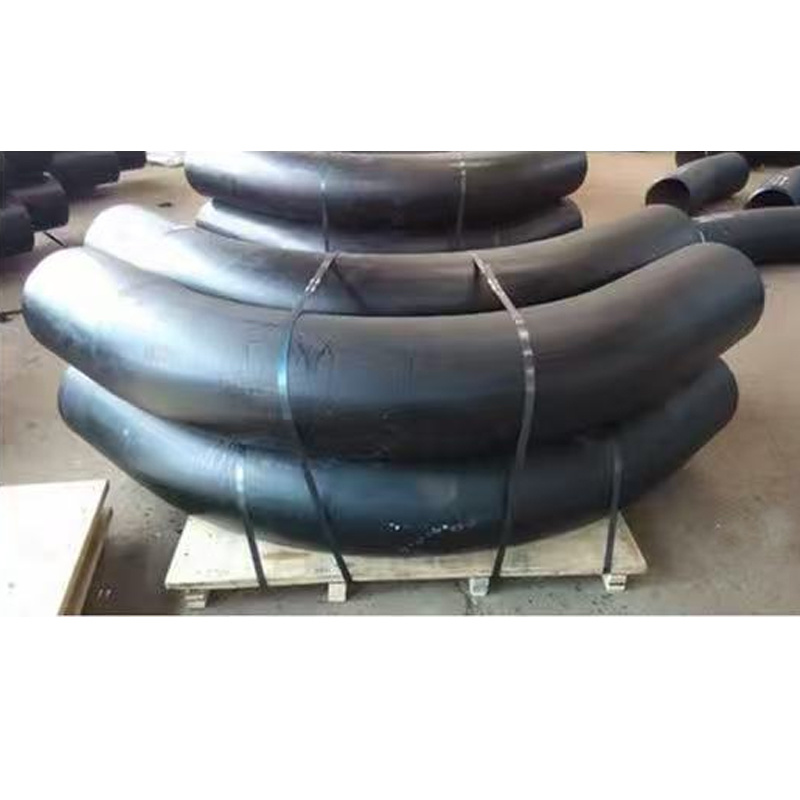
Understanding High-Pressure Plastic-Coated Bends in Industrial Piping Systems
High-pressure plastic-coated bends are critical components in industrial piping systems, especially in applications where durability and resistance to corrosion are paramount. These bends are specifically designed to manage the flow of fluids or gases under high-pressure conditions while maintaining optimal performance and reliability.
The primary function of high-pressure plastic-coated bends is
Sep 13,2026

How to Maintain High-Pressure Alloy Seamless Steel Pipes for Longevity
How to Maintain High-Pressure Alloy Seamless Steel Pipes for Longevity
Table of Contents
Understanding High-Pressure Alloy Seamless Steel Pipes
The Importance of Maintenance for High-Pressure Pipes
Common Challenges in Maintaining High-Pressure Pipes
Best Practices for Maintaining High-Pressure Alloy Seamless Steel Pipes
Regular Inspections and Assessments
Sep 09,2026
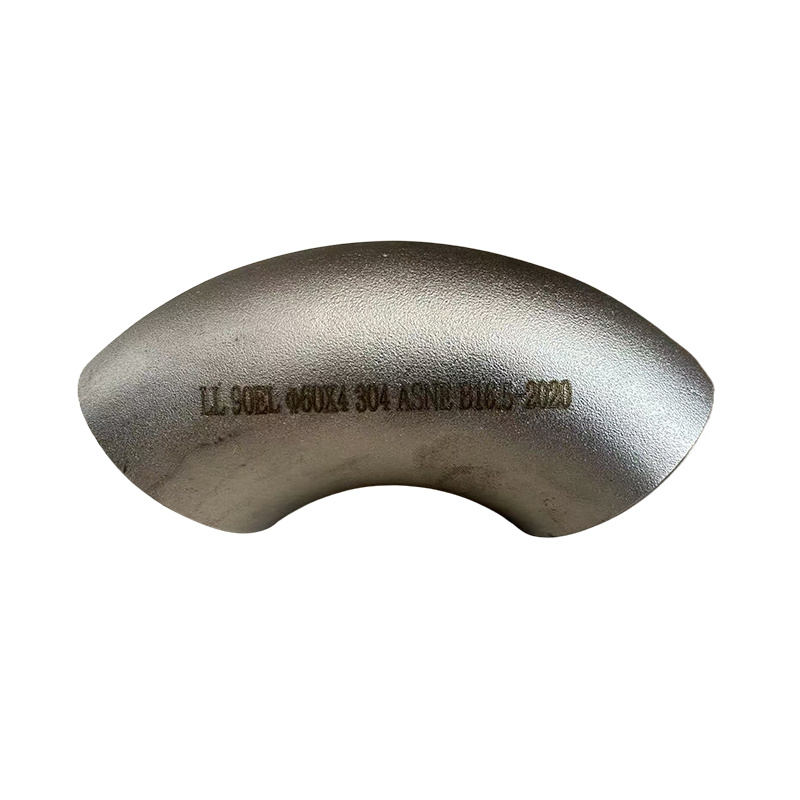
Understanding High-Pressure Alloy Bends: Essential Components for Industrial Piping Systems
High-pressure alloy bends are critical components in the design and operation of industrial piping systems. These bends facilitate the efficient transport of fluids and gases under high-pressure conditions, making them indispensable in various applications, including oil and gas, chemical processing, and power generation.
One of the primary advantages of high-pressure alloy bends is their ability
Sep 05,2026

Service E-mail
Tel
Tel
Address
Room 715, Block A, Qinglin Building, Chentangzhuang, Hexi District, Tianjin
Ask For A Quick Quote
We will contact you within one working day. Please pay attention to your email.