

Innovative Applications of High-Pressure Stainless Steel Seamless Pipes in Construction
Feb 12,2026
Innovative Applications of High-Pressure Stainless Steel Seamless Pipes in Construction
Table of Contents
1. Introduction to High-Pressure Stainless Steel Seamless Pipes
2. Understanding the Properties of Stainless Steel
3. Advantages of Using Seamless Pipes in Construction
4. High-Pressure Applications in Modern Construction
4.1. Structural Frameworks
4.2. Pipelines for Fluid Transport
4.3. HVAC
Innovative Applications of High-Pressure Stainless Steel Seamless Pipes in Construction
Table of Contents
1. Introduction to High-Pressure Stainless Steel Seamless Pipes
2. Understanding the Properties of Stainless Steel
3. Advantages of Using Seamless Pipes in Construction
4. High-Pressure Applications in Modern Construction
4.1. Structural Frameworks
4.2. Pipelines for Fluid Transport
4.3. HVAC Systems
4.4. Fire Protection Systems
5. Case Studies: Successful Implementations
6. Challenges and Solutions in Utilizing Stainless Steel Pipes
7. Future Trends in the Use of Stainless Steel in Construction
8. FAQs about High-Pressure Stainless Steel Seamless Pipes
9. Conclusion
1. Introduction to High-Pressure Stainless Steel Seamless Pipes
High-pressure stainless steel seamless pipes represent a significant advancement in construction materials, offering unparalleled strength, durability, and corrosion resistance. These pipes are manufactured without seams or welds, making them ideal for high-pressure applications where reliability and integrity are paramount. In this article, we will delve into the innovative applications of these pipes in the construction sector, highlighting their importance in modern engineering design.
2. Understanding the Properties of Stainless Steel
Stainless steel is widely recognized for its exceptional mechanical properties. It boasts high tensile strength, which allows it to withstand significant pressure without deforming or failing. Furthermore, stainless steel is highly resistant to corrosion due to the presence of chromium, which forms a protective oxide layer. This characteristic is crucial in construction environments where exposure to moisture and chemicals is common.
The manufacturing process of seamless pipes involves extrusion or rotary piercing, followed by elongation and annealing. This process ensures that the pipes maintain consistent properties throughout their length, providing uniform strength and reliability. The various grades of stainless steel, such as 304 and 316, offer different benefits, enabling users to select materials suited to specific applications.
3. Advantages of Using Seamless Pipes in Construction
The benefits of incorporating high-pressure stainless steel seamless pipes into construction projects are numerous:
- **Durability:** Seamless pipes can endure extreme conditions, making them ideal for both indoor and outdoor applications.
- **Safety:** The lack of seams minimizes the risk of leaks and failures, enhancing structural safety.
- **Versatility:** These pipes can be used in various construction sectors, including residential, commercial, and industrial projects.
- **Low Maintenance:** Their corrosion-resistant properties reduce maintenance needs and associated costs over time.
By understanding and leveraging these advantages, construction professionals can significantly improve project outcomes.
4. High-Pressure Applications in Modern Construction
High-pressure stainless steel seamless pipes have found diverse applications in modern construction, enhancing both efficiency and safety. Below, we explore some key areas:
4.1. Structural Frameworks
High-pressure seamless pipes are increasingly used in structural frameworks, providing robust support for buildings and other structures. Their strength allows for the construction of lighter and taller structures without compromising safety. Architects and engineers are capitalizing on this material to create innovative designs that push architectural boundaries.
4.2. Pipelines for Fluid Transport
In construction, seamless pipes are essential for conveying fluids, including water, oil, and gas. Their leak-proof design is critical in preventing environmental contamination and ensuring the integrity of supply systems. High-pressure applications require pipes that can withstand substantial forces, making stainless steel an optimal choice.
4.3. HVAC Systems
Heating, ventilation, and air conditioning (HVAC) systems often rely on high-pressure stainless steel seamless pipes for efficient operation. They transport refrigerants and other fluids, providing critical thermal management within buildings. The pipes' durability ensures long-lasting performance in these demanding environments.
4.4. Fire Protection Systems
Fire protection systems are another area where high-pressure stainless steel seamless pipes excel. Their ability to withstand high-pressure water flow is essential during fire suppression scenarios. The corrosion resistance of stainless steel also ensures that these systems remain functional over time, enhancing building safety.
5. Case Studies: Successful Implementations
The practical applications of high-pressure stainless steel seamless pipes can be observed in several notable construction projects.
One exemplary case is the use of these pipes in the construction of a skyscraper in a coastal city. Due to the high humidity and exposure to saltwater, traditional materials would have suffered from rapid corrosion. By utilizing high-pressure stainless steel seamless pipes, the structural integrity and longevity of the building were successfully achieved.
Another instance is the installation of an advanced HVAC system in a large commercial complex. The seamless pipes allowed for efficient refrigerant flow, ensuring optimal temperature control while minimizing energy consumption.
6. Challenges and Solutions in Utilizing Stainless Steel Pipes
While the benefits of high-pressure stainless steel seamless pipes are substantial, challenges do exist.
- **Cost:** Stainless steel can be more expensive than other materials, leading to budget constraints. However, the long-term savings due to reduced maintenance and longer life expectancy often justify the initial investment.
- **Welding and Fabrication:** Seamless pipes require specific welding techniques to join sections. Adequate training and expertise are crucial to ensure quality installations.
Addressing these challenges involves careful planning and consultation with experts in the field to ensure that projects are completed efficiently and economically.
7. Future Trends in the Use of Stainless Steel in Construction
As technology advances, the construction industry is likely to see increasing innovation in the applications of high-pressure stainless steel seamless pipes. Emerging trends include:
- **Sustainable Practices:** With a growing emphasis on sustainability, the construction industry is exploring environmentally friendly materials and methods. Stainless steel’s recyclability makes it a desirable option.
- **Smart Construction Technologies:** The integration of smart technologies within construction projects may lead to new applications for stainless steel pipes, including sensors and monitoring systems to enhance safety and performance.
These trends signify a promising future for stainless steel in construction, driven by innovation and a commitment to quality.
8. FAQs about High-Pressure Stainless Steel Seamless Pipes
What are the key benefits of using high-pressure stainless steel seamless pipes?
The key benefits include high durability, corrosion resistance, safety due to their seamless design, and reduced maintenance needs.
In what construction applications are these pipes most commonly used?
They are commonly used in structural frameworks, fluid transport pipelines, HVAC systems, and fire protection systems.
How do high-pressure stainless steel seamless pipes compare to welded pipes?
Seamless pipes offer greater resistance to pressure and stress, reducing the risk of leaks and failures compared to welded pipes.
What grades of stainless steel are best for construction applications?
Grades 304 and 316 are commonly used, with 316 offering superior corrosion resistance, especially in marine environments.
Are there any limitations to using stainless steel seamless pipes?
While they offer many advantages, the higher cost and specific welding requirements can be considered limitations.
9. Conclusion
High-pressure stainless steel seamless pipes are transforming the construction industry, offering innovative solutions that enhance structural integrity and safety. Their unique properties make them ideal for a variety of applications, from building frameworks to fluid transport and HVAC systems. As the industry continues to evolve, the future of these materials looks promising, driven by advancements in technology and a focus on sustainability. By understanding and harnessing the benefits of high-pressure stainless steel seamless pipes, construction professionals can deliver projects that not only meet but exceed modern standards for quality and safety.
Key words:
RELATED INFORMATION
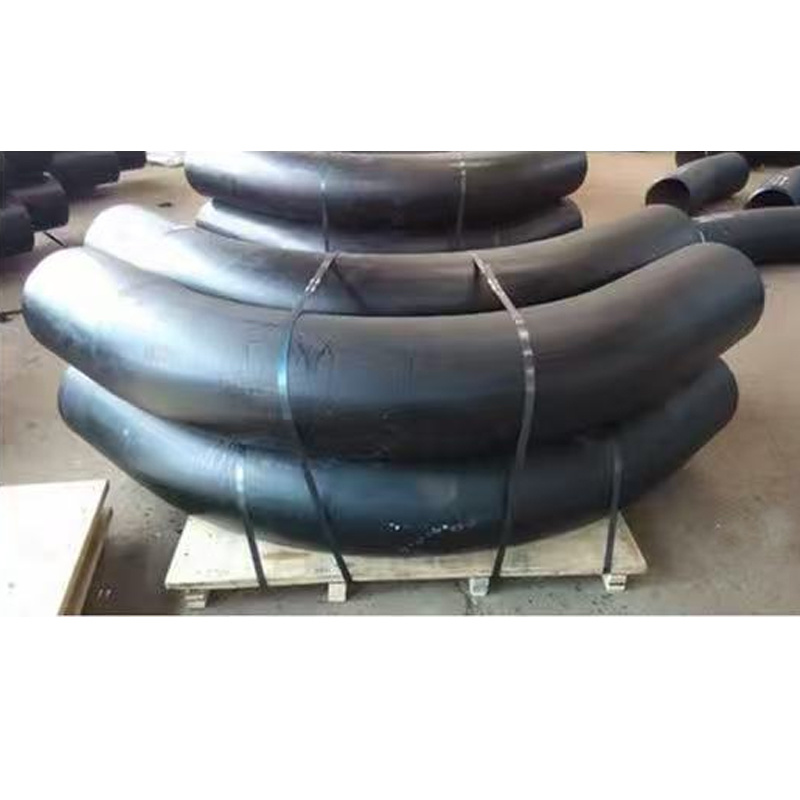
Understanding High-Pressure Plastic-Coated Bends in Industrial Piping Systems
High-pressure plastic-coated bends are critical components in industrial piping systems, especially in applications where durability and resistance to corrosion are paramount. These bends are specifically designed to manage the flow of fluids or gases under high-pressure conditions while maintaining optimal performance and reliability.
The primary function of high-pressure plastic-coated bends is
Sep 13,2026

How to Maintain High-Pressure Alloy Seamless Steel Pipes for Longevity
How to Maintain High-Pressure Alloy Seamless Steel Pipes for Longevity
Table of Contents
Understanding High-Pressure Alloy Seamless Steel Pipes
The Importance of Maintenance for High-Pressure Pipes
Common Challenges in Maintaining High-Pressure Pipes
Best Practices for Maintaining High-Pressure Alloy Seamless Steel Pipes
Regular Inspections and Assessments
Sep 09,2026
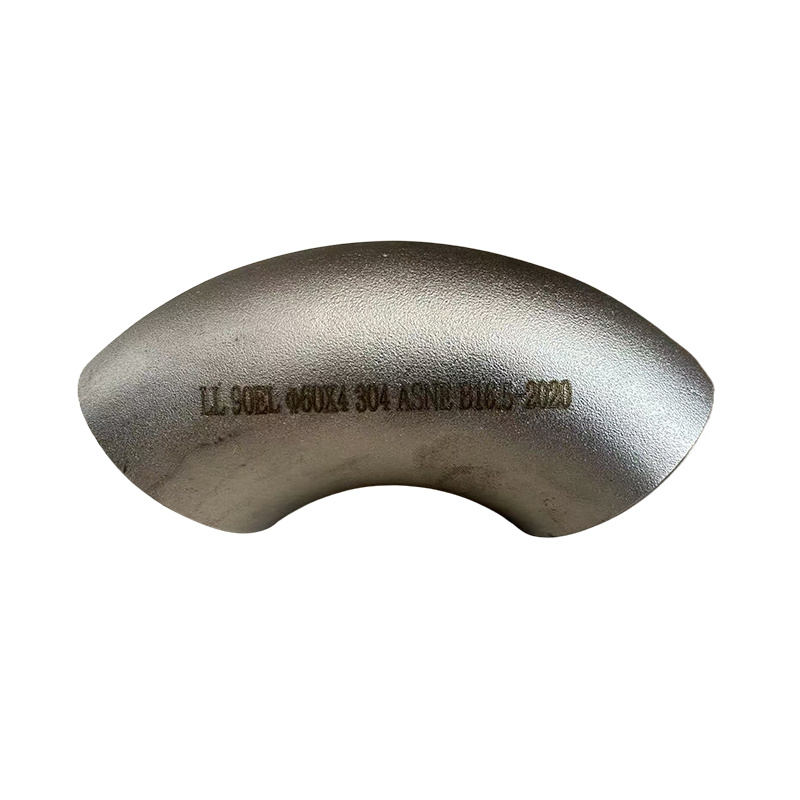
Understanding High-Pressure Alloy Bends: Essential Components for Industrial Piping Systems
High-pressure alloy bends are critical components in the design and operation of industrial piping systems. These bends facilitate the efficient transport of fluids and gases under high-pressure conditions, making them indispensable in various applications, including oil and gas, chemical processing, and power generation.
One of the primary advantages of high-pressure alloy bends is their ability
Sep 05,2026

Service E-mail
Tel
Tel
Address
Room 715, Block A, Qinglin Building, Chentangzhuang, Hexi District, Tianjin
Ask For A Quick Quote
We will contact you within one working day. Please pay attention to your email.