

Key Factors to Consider When Choosing Insulated Pipeline Solutions
Feb 24,2026
Key Factors to Consider When Choosing Insulated Pipeline Solutions
In industrial settings, the efficiency and reliability of pipeline systems are paramount. Insulated pipelines serve a crucial role in transporting fluids safely and effectively while minimizing energy loss. Understanding the key factors in selecting insulated pipeline solutions can significantly impact operational efficiency and co
Key Factors to Consider When Choosing Insulated Pipeline Solutions
In industrial settings, the efficiency and reliability of pipeline systems are paramount. Insulated pipelines serve a crucial role in transporting fluids safely and effectively while minimizing energy loss. Understanding the key factors in selecting insulated pipeline solutions can significantly impact operational efficiency and cost-effectiveness. This article delves into essential aspects to consider when choosing insulated pipeline systems, ensuring your decision-making process is informed and comprehensive.
Understanding Insulated Pipeline Solutions
Insulated pipeline solutions refer to systems designed to minimize heat transfer between the fluid inside the pipes and the external environment. These solutions are integral in industries such as oil and gas, chemical processing, and HVAC systems, where maintaining specific temperature ranges is critical for safety, efficiency, and product quality.
Why Insulation Matters in Pipeline Systems
The primary function of insulation in pipeline systems is to reduce energy loss. By effectively controlling heat transfer, insulated pipelines help maintain the desired temperature of fluids, thereby optimizing energy consumption. Moreover, proper insulation protects against freezing, condensation, and thermal expansion, which can lead to pipeline failure or damage.
Key Advantages of Insulated Pipelines
- **Energy Efficiency**: Insulated pipelines significantly reduce energy costs by minimizing heat loss.
- **Temperature Control**: They maintain consistent fluid temperatures, crucial for process stability.
- **Reduced Risk of Condensation**: Proper insulation prevents moisture buildup, which can cause corrosion and other issues.
- **Safety Assurance**: Insulated pipelines help manage the risk of burns and other hazards in high-temperature applications.
Critical Factors to Evaluate When Choosing Insulated Pipeline Solutions
Selecting the right insulated pipeline solution requires careful consideration of several factors. Here, we outline the key criteria that should guide your decision-making process.
1. Material Selection
The choice of insulation material is vital in ensuring the effectiveness and longevity of insulated pipelines. Common materials include:
- **Polyurethane Foam**: Known for its high insulating properties, polyurethane foam is lightweight and resistant to moisture.
- **Fiberglass**: A traditional insulating option, it offers good thermal resistance and is suited for a variety of applications.
- **Mineral Wool**: Ideal for high-temperature applications, mineral wool provides excellent fire resistance.
Evaluate the specific requirements of your application, such as temperature ranges, chemical exposure, and physical stresses, to choose the most appropriate material.
2. Application Environment
The working environment of your insulated pipeline systems plays a critical role in determining the type of insulation required. Factors to consider include:
- **Temperature Extremes**: Assess the maximum and minimum temperature variations your pipelines will encounter.
- **Chemical Exposure**: Certain environments may expose pipelines to corrosive substances that can degrade insulation materials.
- **Moisture and Humidity**: Environments with high moisture levels require insulation that can resist water absorption and prevent mold growth.
Understanding these environmental conditions will help you select a solution that offers durability and reliability.
3. Insulation Thickness
The thickness of insulation significantly affects the thermal performance of pipelines. **Thicker insulation** generally provides better thermal resistance but can also increase material costs. Therefore, finding the right balance between insulation thickness and cost-effectiveness is crucial. Consider the following when deciding on insulation thickness:
- **Thermal Conductivity**: Higher conductivity materials require greater thickness to achieve the same thermal resistance.
- **Space Constraints**: Ensure that the chosen thickness fits within the physical layout of your installation.
4. Installation Techniques
Proper installation is essential for maximizing the effectiveness of insulated pipeline solutions. Evaluate the installation methods available and choose one that aligns with your project’s complexity and available resources. Key considerations include:
- **Installation Time**: Some insulation materials require more time for installation than others, impacting project timelines.
- **Skilled Labor**: Ensure that the installer has the appropriate knowledge and experience with the specific insulation material chosen.
- **Sealing and Jointing**: Proper sealing methods are essential to prevent heat loss at joints and connections in the pipeline.
5. Regulatory Compliance and Standards
Compliance with industry standards and regulations is a critical factor in choosing insulated pipeline solutions. Different industries have specific requirements regarding insulation materials, installation practices, and safety measures. Research applicable regulations in your region and ensure that your chosen solution meets all necessary standards.
6. Cost-Effectiveness
While the initial investment in insulated pipelines may seem high, consider the long-term savings associated with energy efficiency and reduced maintenance costs. Conduct a thorough cost-benefit analysis that includes:
- **Installation Costs**: Factor in not just the material costs but also labor and potential downtime.
- **Operational Savings**: Estimate potential savings in energy costs over the lifespan of the pipeline.
This holistic view will help you make a financially sound decision.
Best Practices for Maintaining Insulated Pipeline Solutions
To ensure the longevity and efficiency of insulated pipelines, adopting best practices for maintenance is essential.
Regular Inspections
Conduct routine inspections to assess the condition of both the insulation and the pipeline itself. Look for signs of wear, moisture intrusion, or damage, and address any issues promptly to avoid costly repairs down the line.
Cleaning and Maintenance
Keep the exterior of insulated pipelines clean to prevent the buildup of contaminants that could compromise insulation effectiveness. Depending on the material, follow appropriate cleaning protocols to maintain integrity without causing damage.
Monitoring Temperature Fluctuations
Implement temperature monitoring systems to track changes in fluid temperatures within the pipeline. Sudden fluctuations could indicate insulation failure or other underlying issues that require immediate attention.
Choosing the Right Supplier
The supplier you choose can significantly impact the quality of your insulated pipeline solutions. Seek suppliers with a proven track record, positive customer reviews, and a commitment to quality assurance. Consider the following:
- **Product Range**: Ensure they offer a variety of materials and solutions to meet your specific needs.
- **Technical Support**: A knowledgeable supplier can provide invaluable assistance with installation and maintenance.
- **Warranty and Guarantees**: Strong warranties reflect confidence in product quality and offer added peace of mind.
FAQs About Insulated Pipeline Solutions
1. What is the primary purpose of insulating pipelines?
The primary purpose of insulating pipelines is to minimize heat loss, maintain fluid temperature, and prevent condensation, ensuring efficient and safe operation.
2. How do I determine the right insulation thickness for my pipelines?
The appropriate insulation thickness depends on factors like the type of insulation material, temperature requirements, and space constraints. Consulting with an experienced supplier or engineer can provide tailored recommendations.
3. Are there specific materials better suited for high-temperature applications?
Yes, materials like mineral wool and certain high-temperature fiberglass options are designed to withstand elevated temperatures without compromising their insulating properties.
4. How often should insulated pipelines be inspected?
Conduct regular inspections at least once a year, or more frequently if operating in harsh environments, to ensure the integrity of both the insulation and the pipeline.
5. Can I install insulated pipelines myself, or should I hire a professional?
While DIY installation is possible for experienced individuals, hiring a professional is often recommended to ensure proper installation and compliance with industry standards.
Conclusion
Choosing the right insulated pipeline solution involves meticulous consideration of various factors, including material selection, environmental conditions, insulation thickness, installation techniques, and regulatory compliance. By evaluating these aspects thoroughly, you can enhance the efficiency and longevity of your pipeline systems, ultimately leading to substantial cost savings and operational reliability. Investing in quality insulated pipelines is an investment in the future of your industrial operations.
Key words:
RELATED INFORMATION
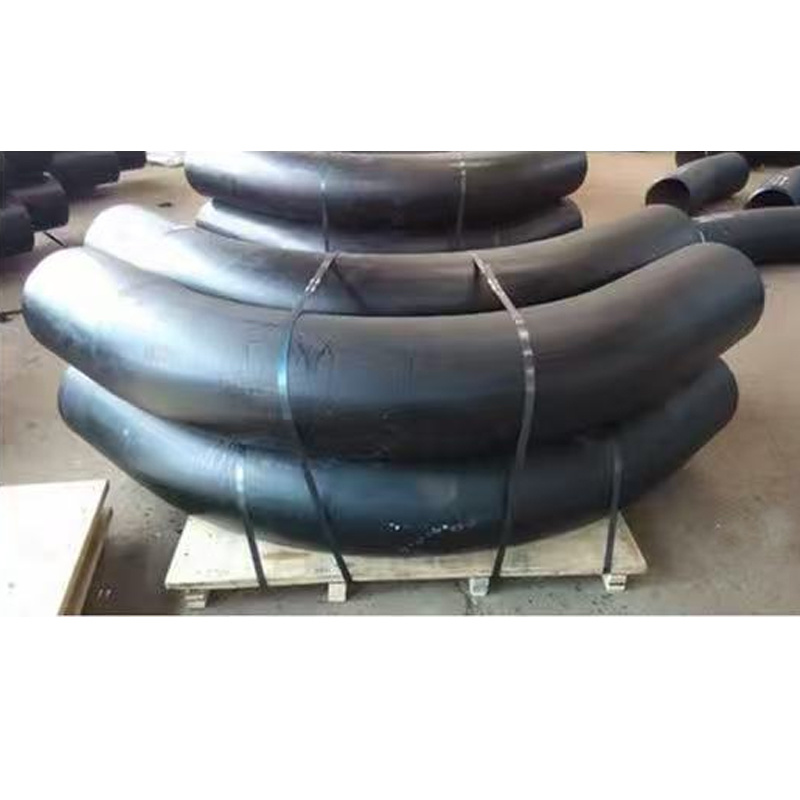
Understanding High-Pressure Plastic-Coated Bends in Industrial Piping Systems
High-pressure plastic-coated bends are critical components in industrial piping systems, especially in applications where durability and resistance to corrosion are paramount. These bends are specifically designed to manage the flow of fluids or gases under high-pressure conditions while maintaining optimal performance and reliability.
The primary function of high-pressure plastic-coated bends is
Sep 13,2026

How to Maintain High-Pressure Alloy Seamless Steel Pipes for Longevity
How to Maintain High-Pressure Alloy Seamless Steel Pipes for Longevity
Table of Contents
Understanding High-Pressure Alloy Seamless Steel Pipes
The Importance of Maintenance for High-Pressure Pipes
Common Challenges in Maintaining High-Pressure Pipes
Best Practices for Maintaining High-Pressure Alloy Seamless Steel Pipes
Regular Inspections and Assessments
Sep 09,2026
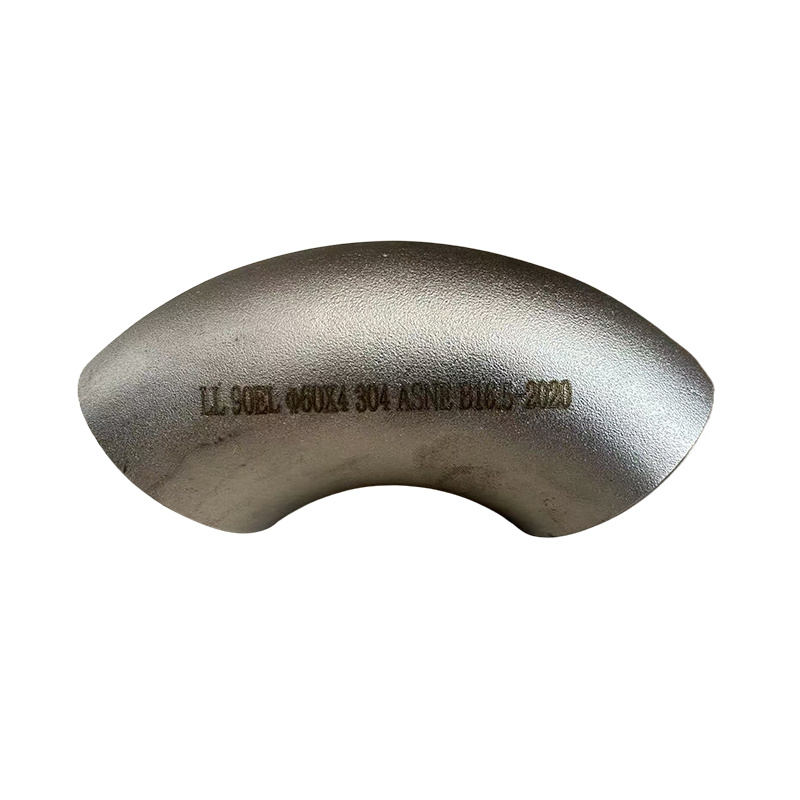
Understanding High-Pressure Alloy Bends: Essential Components for Industrial Piping Systems
High-pressure alloy bends are critical components in the design and operation of industrial piping systems. These bends facilitate the efficient transport of fluids and gases under high-pressure conditions, making them indispensable in various applications, including oil and gas, chemical processing, and power generation.
One of the primary advantages of high-pressure alloy bends is their ability
Sep 05,2026

Service E-mail
Tel
Tel
Address
Room 715, Block A, Qinglin Building, Chentangzhuang, Hexi District, Tianjin
Ask For A Quick Quote
We will contact you within one working day. Please pay attention to your email.