

Understanding Reducers in Pipeline Systems: Essential Insights for Industrial Professionals
Feb 27,2026
Reducers are vital components in industrial pipeline systems, serving a crucial role in managing the flow of fluids throughout various applications. By facilitating a transition between different pipe diameters, reducers help regulate the pressure and flow rate of liquids or gases, ensuring that the system operates efficiently. Understanding the mechanics and advantages of reducers can greatly enh
Reducers are vital components in industrial pipeline systems, serving a crucial role in managing the flow of fluids throughout various applications. By facilitating a transition between different pipe diameters, reducers help regulate the pressure and flow rate of liquids or gases, ensuring that the system operates efficiently. Understanding the mechanics and advantages of reducers can greatly enhance pipeline performance and reliability, making them an essential topic for professionals in the industrial equipment sector.
There are primarily two types of reducers: concentric and eccentric. Concentric reducers feature a symmetrical design that allows for a smooth transition between larger and smaller pipe diameters, making them ideal for vertical applications. Eccentric reducers, on the other hand, have an off-center design, which helps maintain a consistent flow level, particularly in horizontal applications. Choosing the right type of reducer is essential for optimizing flow dynamics and minimizing turbulence, which can lead to pressure drops and inefficiencies.
The installation of reducers can contribute to significant advantages in pipeline systems. By providing a streamlined flow path, reducers can help reduce the risk of cavitation, a phenomenon that occurs when the local pressure in a fluid drops below its vapor pressure, leading to potential damage to the pipeline. Additionally, the use of reducers can help maintain the desired flow velocity and pressure, which are critical factors in many industrial processes.
Reducers also play an essential role in system flexibility. In the realm of industrial equipment, the ability to adapt to various pipe sizes and configurations is paramount. Using reducers allows engineers and technicians to design systems that can accommodate changing requirements, whether due to equipment upgrades or modifications to production processes. This adaptability contributes to the longevity and efficiency of the entire pipeline system.
Moreover, selecting the appropriate materials for reducers is crucial. Depending on the nature of the fluid being transported—whether corrosive, abrasive, or under high pressure—different materials can enhance the durability and performance of the reducer. Common materials include stainless steel, carbon steel, and various plastics, each offering unique benefits based on the specific application.
In conclusion, reducers are indispensable components in industrial pipeline systems, significantly impacting flow efficiency and system versatility. By understanding their types, applications, and advantages, professionals in the field can make informed decisions that enhance operational performance and reliability. Incorporating the right reducers into pipeline design is a strategic move that can lead to improved productivity and reduced maintenance costs, ultimately benefiting the overall industrial operation.
There are primarily two types of reducers: concentric and eccentric. Concentric reducers feature a symmetrical design that allows for a smooth transition between larger and smaller pipe diameters, making them ideal for vertical applications. Eccentric reducers, on the other hand, have an off-center design, which helps maintain a consistent flow level, particularly in horizontal applications. Choosing the right type of reducer is essential for optimizing flow dynamics and minimizing turbulence, which can lead to pressure drops and inefficiencies.
The installation of reducers can contribute to significant advantages in pipeline systems. By providing a streamlined flow path, reducers can help reduce the risk of cavitation, a phenomenon that occurs when the local pressure in a fluid drops below its vapor pressure, leading to potential damage to the pipeline. Additionally, the use of reducers can help maintain the desired flow velocity and pressure, which are critical factors in many industrial processes.
Reducers also play an essential role in system flexibility. In the realm of industrial equipment, the ability to adapt to various pipe sizes and configurations is paramount. Using reducers allows engineers and technicians to design systems that can accommodate changing requirements, whether due to equipment upgrades or modifications to production processes. This adaptability contributes to the longevity and efficiency of the entire pipeline system.
Moreover, selecting the appropriate materials for reducers is crucial. Depending on the nature of the fluid being transported—whether corrosive, abrasive, or under high pressure—different materials can enhance the durability and performance of the reducer. Common materials include stainless steel, carbon steel, and various plastics, each offering unique benefits based on the specific application.
In conclusion, reducers are indispensable components in industrial pipeline systems, significantly impacting flow efficiency and system versatility. By understanding their types, applications, and advantages, professionals in the field can make informed decisions that enhance operational performance and reliability. Incorporating the right reducers into pipeline design is a strategic move that can lead to improved productivity and reduced maintenance costs, ultimately benefiting the overall industrial operation.
Key words:
RELATED INFORMATION
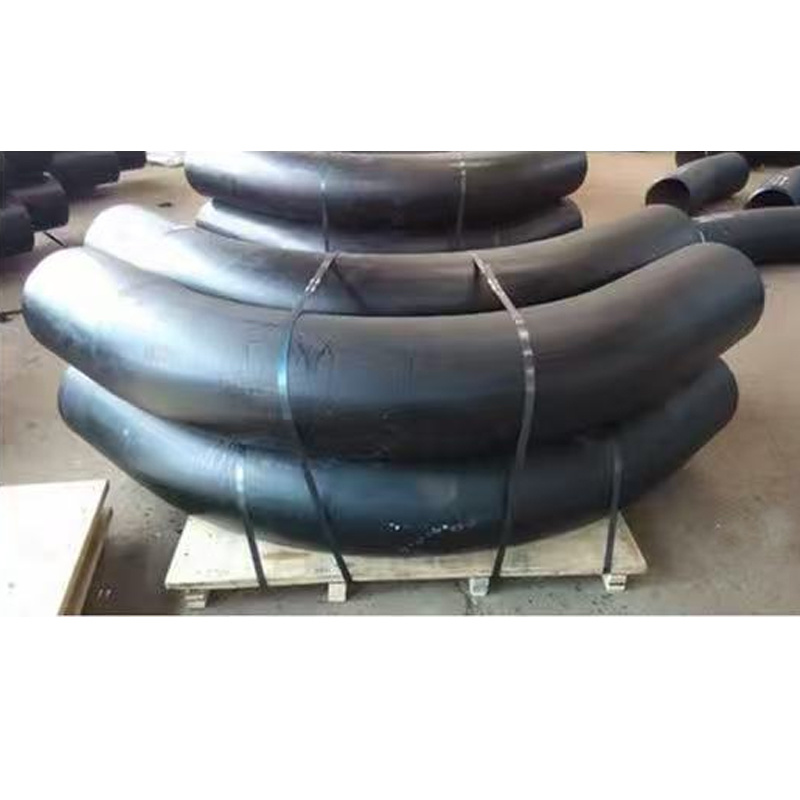
Understanding High-Pressure Plastic-Coated Bends in Industrial Piping Systems
High-pressure plastic-coated bends are critical components in industrial piping systems, especially in applications where durability and resistance to corrosion are paramount. These bends are specifically designed to manage the flow of fluids or gases under high-pressure conditions while maintaining optimal performance and reliability.
The primary function of high-pressure plastic-coated bends is
Sep 13,2026

How to Maintain High-Pressure Alloy Seamless Steel Pipes for Longevity
How to Maintain High-Pressure Alloy Seamless Steel Pipes for Longevity
Table of Contents
Understanding High-Pressure Alloy Seamless Steel Pipes
The Importance of Maintenance for High-Pressure Pipes
Common Challenges in Maintaining High-Pressure Pipes
Best Practices for Maintaining High-Pressure Alloy Seamless Steel Pipes
Regular Inspections and Assessments
Sep 09,2026
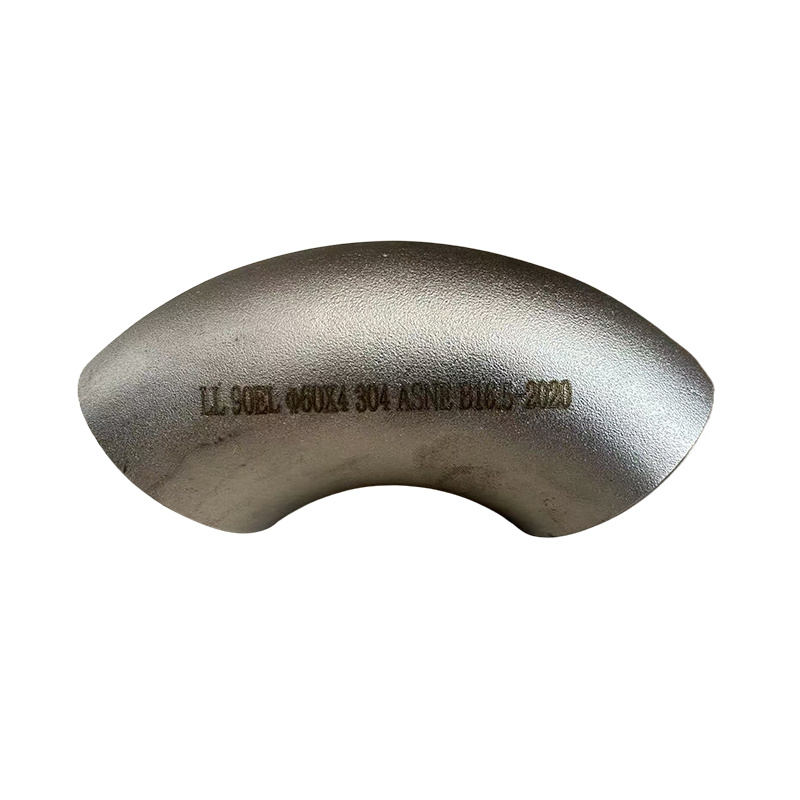
Understanding High-Pressure Alloy Bends: Essential Components for Industrial Piping Systems
High-pressure alloy bends are critical components in the design and operation of industrial piping systems. These bends facilitate the efficient transport of fluids and gases under high-pressure conditions, making them indispensable in various applications, including oil and gas, chemical processing, and power generation.
One of the primary advantages of high-pressure alloy bends is their ability
Sep 05,2026

Service E-mail
Tel
Tel
Address
Room 715, Block A, Qinglin Building, Chentangzhuang, Hexi District, Tianjin
Ask For A Quick Quote
We will contact you within one working day. Please pay attention to your email.