

High-Pressure Alloy Seamless Steel Pipes vs. Traditional Steel Pipes: A Comprehensive Comparison for Industry Professionals
Apr 09,2026
High-Pressure Alloy Seamless Steel Pipes vs. Traditional Steel Pipes: A Comprehensive Comparison
Table of Contents
1. Introduction to Steel Pipes
2. What are High-Pressure Alloy Seamless Steel Pipes?
3. Understanding Traditional Steel Pipes
4. Manufacturing Processes: Seamless vs. Welded
5. Key Applications in Various Industries
6. Advantages of High-Pressure Alloy Seamles
High-Pressure Alloy Seamless Steel Pipes vs. Traditional Steel Pipes: A Comprehensive Comparison
Table of Contents
- 1. Introduction to Steel Pipes
- 2. What are High-Pressure Alloy Seamless Steel Pipes?
- 3. Understanding Traditional Steel Pipes
- 4. Manufacturing Processes: Seamless vs. Welded
- 5. Key Applications in Various Industries
- 6. Advantages of High-Pressure Alloy Seamless Steel Pipes
- 7. Disadvantages of Traditional Steel Pipes
- 8. Cost Considerations: Which is More Economical?
- 9. Frequently Asked Questions (FAQs)
- 10. Conclusion
1. Introduction to Steel Pipes
Industrial piping solutions play a crucial role in various sectors, from oil and gas to chemical processing and construction. Among these solutions, **steel pipes** are paramount for transporting fluids and gases under varying pressures and temperatures. Understanding the differences between high-pressure alloy seamless steel pipes and traditional steel pipes is essential for making informed decisions regarding your operations. This article delves into the specifics of each type, highlighting their unique properties, advantages, and applications.
2. What are High-Pressure Alloy Seamless Steel Pipes?
High-pressure alloy seamless steel pipes are designed to withstand extreme pressures and temperatures. Unlike traditional welded pipes, seamless pipes are manufactured from a solid piece of metal, ensuring uniform strength and resistance to corrosion. They are typically composed of high-quality alloys, which enhance their mechanical properties, making them suitable for demanding applications.
Composition and Properties
These pipes are made from high-alloy materials, such as **nickel**, **chromium**, and **molybdenum**, which contribute to their strength and durability. The manufacturing process involves heating a solid round steel billet and piercing it to create a hollow tube, followed by elongation and reduction to the desired dimensions.
3. Understanding Traditional Steel Pipes
Traditional steel pipes, on the other hand, are generally manufactured through welding or seaming processes. They are commonly used in less demanding environments where extreme pressure and temperature conditions are not a concern.
Manufacturing Techniques
Traditional pipes can be produced using various methods, including:
- **Welded Pipes**: Formed by rolling a flat steel plate and welding the edges together.
- **Seamed Pipes**: Created by forming a pipe shape from a flat strip and welding the seam.
While these pipes are effective for many applications, they may not always provide the same level of performance as high-pressure alloy seamless pipes.
4. Manufacturing Processes: Seamless vs. Welded
The manufacturing process significantly influences the performance characteristics of steel pipes.
Seamless Pipe Manufacturing
Seamless pipes undergo a rigorous manufacturing process that ensures uniformity and eliminates weak points associated with welds. This process includes:
1. **Billet Heating**: Heating a solid steel billet to a high temperature.
2. **Piercing**: Piercing the heated billet to form a hollow tube.
3. **Elongation and Reduction**: Further processing to achieve the desired dimensions and wall thickness.
Welded Pipe Manufacturing
Welded pipes are produced by forming a flat steel strip into a cylindrical shape and welding the edges. This method is generally more cost-effective but can introduce weaknesses at the welded seams, making them less suitable for high-pressure applications.
5. Key Applications in Various Industries
High-pressure alloy seamless steel pipes and traditional steel pipes serve different purposes across industries.
Applications of High-Pressure Alloy Seamless Steel Pipes
These pipes find extensive use in:
- **Oil and Gas Extraction**: Ideal for transporting oil and gas under high pressure.
- **Chemical Processing**: Suitable for handling corrosive substances and high-temperature environments.
- **Power Generation**: Essential for steam lines and high-pressure applications in power plants.
Applications of Traditional Steel Pipes
Traditional steel pipes are commonly used in:
- **Water Supply Systems**: Suitable for transporting water in municipal systems.
- **Structural Applications**: Often used in construction for structural support.
- **HVAC Systems**: Employed in heating and cooling systems where pressure requirements are lower.
6. Advantages of High-Pressure Alloy Seamless Steel Pipes
High-pressure alloy seamless steel pipes offer several advantages that make them a preferred choice for demanding applications.
Durability and Strength
With their seamless construction and high-alloy composition, these pipes exhibit exceptional strength and resistance to wear and tear, ensuring longevity in harsh environments.
Corrosion Resistance
The alloying elements used in their production enhance their resistance to corrosion, making them ideal for transporting chemicals and other corrosive materials.
Uniform Pressure Distribution
Seamless pipes provide uniform pressure distribution along their length, reducing the risk of failure under high-pressure conditions.
7. Disadvantages of Traditional Steel Pipes
While traditional steel pipes have their applications, they do come with certain disadvantages.
Weakness at Weld Seams
The welded seams can be potential failure points, particularly under high-pressure conditions, leading to safety concerns.
Limited Corrosion Resistance
Traditional steel pipes typically lack the corrosion-resistant properties that high-pressure alloy seamless pipes possess, making them less suitable for transporting corrosive fluids.
8. Cost Considerations: Which is More Economical?
Cost is a significant factor when choosing between high-pressure alloy seamless steel pipes and traditional steel pipes.
Initial Investment
High-pressure alloy seamless pipes generally require a higher initial investment due to their manufacturing complexity and the quality of materials used. However, their durability can lead to lower maintenance costs in the long run.
Long-Term Value
While traditional steel pipes may appear more economical upfront, the potential for failure and the need for replacements or repairs can significantly increase total costs over time.
9. Frequently Asked Questions (FAQs)
1. What is the main difference between seamless and welded pipes?
Seamless pipes are made from a single piece of metal, providing greater strength and uniformity, whereas welded pipes are formed by joining two edges together, which may introduce weaknesses.
2. Can high-pressure alloy seamless pipes be used for low-pressure applications?
Yes, while they are designed for high-pressure applications, they can also be used in lower-pressure settings, providing additional durability.
3. Are traditional steel pipes better for non-corrosive applications?
Traditional steel pipes can be suitable for non-corrosive applications, but high-pressure alloy seamless pipes provide added benefits in terms of strength and reliability.
4. How do I determine the right pipe for my application?
Consider the specific requirements of your application, including pressure, temperature, and chemical exposure, to choose the appropriate piping solution.
5. What are the maintenance requirements for these pipes?
Regular inspections and monitoring for signs of wear or corrosion are essential for both types of pipes to ensure optimal performance and longevity.
10. Conclusion
In the ongoing debate between high-pressure alloy seamless steel pipes and traditional steel pipes, it is clear that each has its strengths and weaknesses. High-pressure alloy seamless steel pipes provide exceptional durability, strength, and corrosion resistance, making them ideal for demanding industrial applications. Conversely, traditional steel pipes offer a cost-effective solution for lower-pressure scenarios. Ultimately, the choice between the two will depend on the specific requirements of your project and the environments in which the pipes will be used. By carefully considering these factors, you can make an informed decision that best suits your needs.
Key words:
RELATED INFORMATION
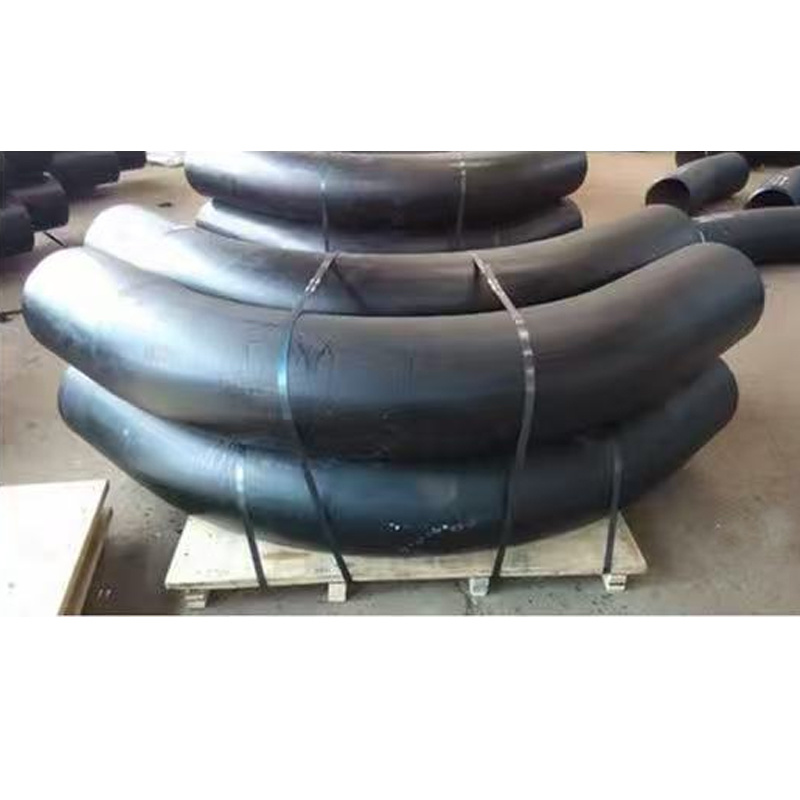
Understanding High-Pressure Plastic-Coated Bends in Industrial Piping Systems
High-pressure plastic-coated bends are critical components in industrial piping systems, especially in applications where durability and resistance to corrosion are paramount. These bends are specifically designed to manage the flow of fluids or gases under high-pressure conditions while maintaining optimal performance and reliability.
The primary function of high-pressure plastic-coated bends is
Sep 13,2026

How to Maintain High-Pressure Alloy Seamless Steel Pipes for Longevity
How to Maintain High-Pressure Alloy Seamless Steel Pipes for Longevity
Table of Contents
Understanding High-Pressure Alloy Seamless Steel Pipes
The Importance of Maintenance for High-Pressure Pipes
Common Challenges in Maintaining High-Pressure Pipes
Best Practices for Maintaining High-Pressure Alloy Seamless Steel Pipes
Regular Inspections and Assessments
Sep 09,2026
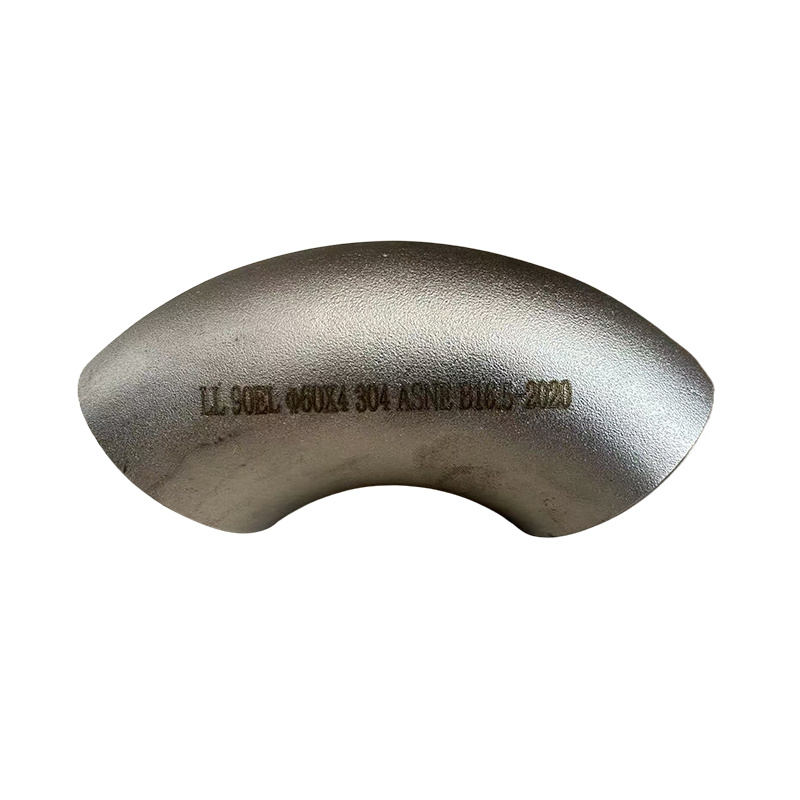
Understanding High-Pressure Alloy Bends: Essential Components for Industrial Piping Systems
High-pressure alloy bends are critical components in the design and operation of industrial piping systems. These bends facilitate the efficient transport of fluids and gases under high-pressure conditions, making them indispensable in various applications, including oil and gas, chemical processing, and power generation.
One of the primary advantages of high-pressure alloy bends is their ability
Sep 05,2026

Service E-mail
Tel
Tel
Address
Room 715, Block A, Qinglin Building, Chentangzhuang, Hexi District, Tianjin
Ask For A Quick Quote
We will contact you within one working day. Please pay attention to your email.