

Understanding the Manufacturing Process of Plastic-Coated Pipe: A Comprehensive Guide
Apr 21,2026
Understanding the Manufacturing Process of Plastic-Coated Pipe
Manufacturing plastic-coated pipes is a complex procedure that involves multiple steps and high-quality materials. As industries increasingly lean towards efficiency and durability, plastic-coated pipes have emerged as a preferred choice for various applications. In this article, we will explore the manufacturing process of plastic-coa
Understanding the Manufacturing Process of Plastic-Coated Pipe
Manufacturing plastic-coated pipes is a complex procedure that involves multiple steps and high-quality materials. As industries increasingly lean towards efficiency and durability, plastic-coated pipes have emerged as a preferred choice for various applications. In this article, we will explore the manufacturing process of plastic-coated pipes in detail, examining the materials used, the manufacturing techniques, and the benefits of these innovative products.
Table of Contents
- Introduction to Plastic-Coated Pipes
- Materials Used in Plastic-Coated Pipe Manufacturing
- The Step-by-Step Manufacturing Process
- Coating Techniques for Plastic-Coated Pipes
- Applications of Plastic-Coated Pipes
- Advantages of Using Plastic-Coated Pipes
- Quality Control in Manufacturing
- Future Trends in Plastic-Coated Pipe Manufacturing
- Frequently Asked Questions
- Conclusion
Introduction to Plastic-Coated Pipes
Plastic-coated pipes are widely recognized for their resistance to corrosion, improved durability, and enhanced insulation properties. The manufacturing process involves applying a layer of plastic to a metal or other substrate, which significantly enhances its performance in various environments. Our exploration will provide a clear understanding of how these pipes are made and why they are critical in modern industrial applications.
Materials Used in Plastic-Coated Pipe Manufacturing
The manufacturing of plastic-coated pipes relies on a range of materials, each selected for its specific properties:
Metal Substrate
Most plastic-coated pipes begin with a core made of metal, typically steel or aluminum. These materials are chosen for their strength and ability to withstand pressure.
Plastic Coatings
The plastic layer can be made from various polymers, including:
- Polyvinyl Chloride (PVC): Known for its durability and chemical resistance.
- Polyethylene (PE): Offers excellent flexibility and is resistant to impact.
- Polypropylene (PP): Known for its high melting point and chemical resistance.
Other Additives
To enhance the performance of plastic coatings, manufacturers often incorporate additives like UV stabilizers, antioxidants, and colorants. These additives help improve the pipe's lifespan and resistance to environmental factors.
The Step-by-Step Manufacturing Process
The manufacturing of plastic-coated pipes can be broken down into several key steps:
Step 1: Preparing the Metal Substrate
The process begins with the preparation of the metal substrate. This step typically involves cleaning the surface to remove any impurities, rust, or grease that could affect the adhesion of the plastic coating.
Step 2: Applying the Primer
A primer is often applied to enhance the bond between the metal and the plastic. This primer is specially formulated to provide a strong adhesive layer, which is crucial for ensuring that the plastic coating adheres properly during the subsequent steps.
Step 3: Coating Application
The next step involves the application of the plastic coating. This can be achieved through several methods:
- Extrusion Coating: The plastic material is melted and extruded directly onto the prepared metal surface.
- Spray Coating: The plastic is sprayed onto the substrate, allowing for a more uniform application.
- Dip Coating: The metal pipe is immersed in a bath of molten plastic, creating a thick and even coating.
Step 4: Curing the Coating
Once the plastic is applied, it needs to be cured. This process involves heating the coated pipe to ensure that the plastic adheres properly to the metal. This step is critical for achieving optimal durability and longevity of the coating.
Step 5: Final Inspection
After curing, the pipes undergo a final inspection to ensure they meet safety and quality standards. This may involve checking for uniformity in the coating and testing for adherence and thickness.
Coating Techniques for Plastic-Coated Pipes
Different coating techniques can significantly influence the performance characteristics of plastic-coated pipes. Let’s explore some of the most common methods used in the industry:
Electrostatic Spray Coating
This technique uses an electrostatic charge to attract the plastic material to the metal surface, ensuring an even application. It is especially useful for achieving a smooth finish and reducing overspray.
Fluidized Bed Coating
In this method, the pipe is heated and then dipped into a fluidized bed of plastic particles. The heat causes the particles to melt and coat the surface. This technique is beneficial for creating thicker coatings.
Thermal Spraying
Thermal spraying involves heating the plastic material and spraying it onto the substrate. This method allows for a high degree of control over the thickness and properties of the coating.
Applications of Plastic-Coated Pipes
Plastic-coated pipes have a wide range of applications across different industries. Here are some notable examples:
Construction
In the construction industry, plastic-coated pipes are often used for plumbing and drainage systems due to their corrosion resistance and longevity.
Oil and Gas
These pipes are utilized in the oil and gas sector for transporting fluids. Their ability to resist harsh environmental conditions makes them ideal for this application.
Agriculture
Plastic-coated pipes are also employed in agricultural applications for irrigation systems, where they help in preventing chemical leaching and maintaining water quality.
Advantages of Using Plastic-Coated Pipes
The adoption of plastic-coated pipes offers numerous benefits:
Corrosion Resistance
The plastic coating provides a barrier against corrosive substances, extending the life of the pipes significantly.
Improved Durability
These pipes can withstand mechanical stresses and harsh environmental conditions without degrading quickly.
Insulation Properties
The plastic layer offers excellent thermal insulation, reducing energy costs in applications where temperature control is crucial.
Cost-Effectiveness
While initially more expensive than traditional pipes, their longevity and reduced maintenance needs can lead to significant cost savings over time.
Quality Control in Manufacturing
Quality control is a critical aspect of the manufacturing process for plastic-coated pipes. Various tests are conducted to ensure that the pipes meet industry standards and customer specifications. This includes:
Visual Inspection
A thorough visual inspection helps identify any defects in the coating or substrate before the pipes are shipped out.
Adhesion Testing
Adhesion tests ensure that the plastic coating adheres properly to the metal substrate, which is vital for the longevity of the pipes.
Thickness Measurement
Regular measurements of the coating thickness are performed to ensure consistency and compliance with specifications.
Future Trends in Plastic-Coated Pipe Manufacturing
As technology advances, the manufacturing process for plastic-coated pipes is evolving. Some trends to watch include:
Eco-Friendly Materials
There is a growing emphasis on using sustainable materials in the manufacturing process, with many companies exploring biodegradable plastics.
Smart Coatings
The development of smart coatings that can monitor the condition of pipes in real-time is on the horizon, potentially revolutionizing the industry.
Automation and AI
Increased automation in manufacturing processes aims to enhance efficiency and reduce labor costs, making the production of plastic-coated pipes more streamlined.
Frequently Asked Questions
1. What is the lifespan of plastic-coated pipes?
Plastic-coated pipes can last anywhere from 20 to 50 years, depending on the application and environmental conditions.
2. Are plastic-coated pipes recyclable?
Yes, many plastic-coated pipes can be recycled, although the process may vary depending on the materials used.
3. Can plastic-coated pipes be used for high-temperature applications?
Certain types of plastic coatings are designed to withstand high temperatures, making them suitable for specific applications in industries like oil and gas.
4. How do I maintain plastic-coated pipes?
Regular inspections and cleaning can help maintain the integrity of plastic-coated pipes, ensuring they perform optimally over their lifespan.
5. What industries use plastic-coated pipes?
Plastic-coated pipes are used in various sectors, including construction, oil and gas, agriculture, and manufacturing.
Conclusion
The manufacturing process of plastic-coated pipes is a sophisticated endeavor that combines quality materials with advanced techniques. These pipes offer significant advantages in terms of durability, corrosion resistance, and cost-effectiveness, making them an essential choice for various industrial applications. As manufacturers continue to innovate and adapt to changing market demands, the future of plastic-coated pipes looks promising, with eco-friendly materials and smart technologies on the horizon. Understanding this manufacturing process not only highlights the intricate details involved but also emphasizes the growing importance of plastic-coated pipes in modern industry.
Key words:
RELATED INFORMATION
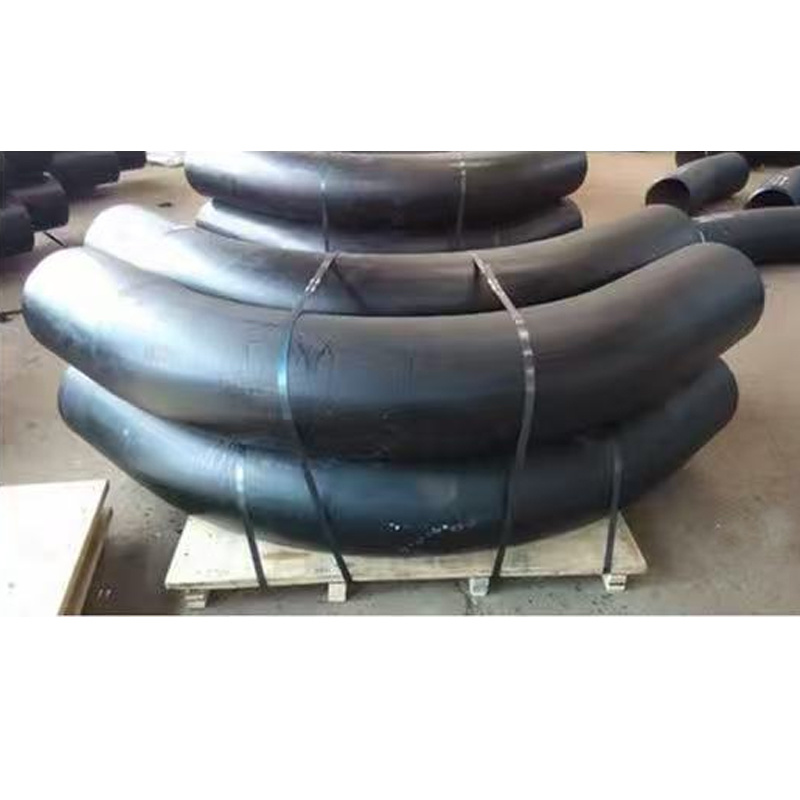
Understanding High-Pressure Plastic-Coated Bends in Industrial Piping Systems
High-pressure plastic-coated bends are critical components in industrial piping systems, especially in applications where durability and resistance to corrosion are paramount. These bends are specifically designed to manage the flow of fluids or gases under high-pressure conditions while maintaining optimal performance and reliability.
The primary function of high-pressure plastic-coated bends is
Sep 13,2026

How to Maintain High-Pressure Alloy Seamless Steel Pipes for Longevity
How to Maintain High-Pressure Alloy Seamless Steel Pipes for Longevity
Table of Contents
Understanding High-Pressure Alloy Seamless Steel Pipes
The Importance of Maintenance for High-Pressure Pipes
Common Challenges in Maintaining High-Pressure Pipes
Best Practices for Maintaining High-Pressure Alloy Seamless Steel Pipes
Regular Inspections and Assessments
Sep 09,2026
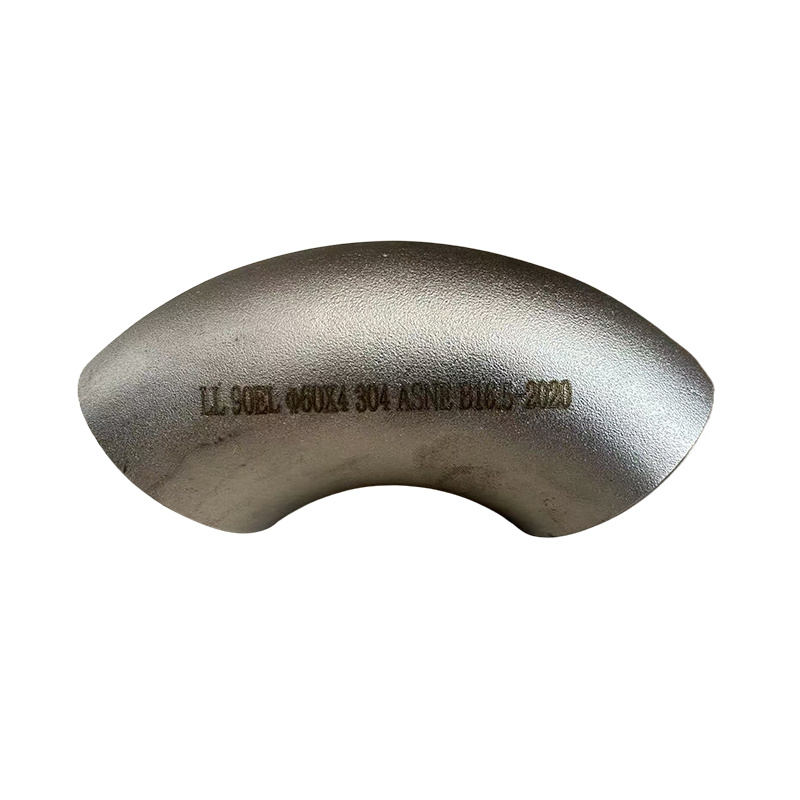
Understanding High-Pressure Alloy Bends: Essential Components for Industrial Piping Systems
High-pressure alloy bends are critical components in the design and operation of industrial piping systems. These bends facilitate the efficient transport of fluids and gases under high-pressure conditions, making them indispensable in various applications, including oil and gas, chemical processing, and power generation.
One of the primary advantages of high-pressure alloy bends is their ability
Sep 05,2026

Service E-mail
Tel
Tel
Address
Room 715, Block A, Qinglin Building, Chentangzhuang, Hexi District, Tianjin
Ask For A Quick Quote
We will contact you within one working day. Please pay attention to your email.