

Understanding Four Way Pipelines in Construction: A Comprehensive Guide
Apr 24,2026
In the construction and decoration materials industry, particularly in the domain of pipe fittings, understanding the function and design of a four way pipeline is crucial for ensuring efficient fluid flow and system reliability. A four way pipeline connection, as the name implies, is a type of fitting that allows for the branching of fluid flow in four different directions. This versatility makes
In the construction and decoration materials industry, particularly in the domain of pipe fittings, understanding the function and design of a four way pipeline is crucial for ensuring efficient fluid flow and system reliability. A four way pipeline connection, as the name implies, is a type of fitting that allows for the branching of fluid flow in four different directions. This versatility makes it an essential component in various applications, including water distribution systems, drainage networks, and HVAC systems.
The primary function of a four way pipeline is to facilitate the distribution of liquids or gases across multiple pathways. For example, in a building's plumbing system, a four way joint can redirect water flow to different fixtures, such as sinks, toilets, and showers. By enabling this redirection, four way pipelines help maintain consistent pressure and flow rates, which are vital for effective system performance.
When designing a system that incorporates four way pipelines, several factors must be considered. The materials used in construction should be compatible with the specific fluids being transported, as different materials offer varying levels of resistance to corrosion, pressure, and temperature. Moreover, the layout of the pipeline system should minimize bends and turns to reduce friction losses, thereby optimizing flow efficiency.
In addition to the technical aspects, it is important to ensure that four way pipelines comply with industry standards and regulations. Adhering to these guidelines not only ensures safety and reliability but also helps in maintaining the integrity of the overall system.
Another critical consideration is the maintenance of four way pipelines. Regular inspections and cleaning are essential to prevent blockages and leaks, which can lead to significant downtime and costly repairs. Implementing a proactive maintenance schedule can extend the lifespan of the pipeline system and enhance its efficiency.
In conclusion, four way pipelines are integral to the effective management of fluid systems within the construction and decoration materials sector. Understanding their design, functionality, and maintenance requirements is essential for professionals in the field. By utilizing four way pipelines correctly, one can ensure a reliable and efficient flow of liquids or gases, ultimately contributing to the success of any construction project. Whether you're a contractor, engineer, or project manager, having a solid grasp of four way pipeline systems will enhance your capability to design and execute superior plumbing solutions.
The primary function of a four way pipeline is to facilitate the distribution of liquids or gases across multiple pathways. For example, in a building's plumbing system, a four way joint can redirect water flow to different fixtures, such as sinks, toilets, and showers. By enabling this redirection, four way pipelines help maintain consistent pressure and flow rates, which are vital for effective system performance.
When designing a system that incorporates four way pipelines, several factors must be considered. The materials used in construction should be compatible with the specific fluids being transported, as different materials offer varying levels of resistance to corrosion, pressure, and temperature. Moreover, the layout of the pipeline system should minimize bends and turns to reduce friction losses, thereby optimizing flow efficiency.
In addition to the technical aspects, it is important to ensure that four way pipelines comply with industry standards and regulations. Adhering to these guidelines not only ensures safety and reliability but also helps in maintaining the integrity of the overall system.
Another critical consideration is the maintenance of four way pipelines. Regular inspections and cleaning are essential to prevent blockages and leaks, which can lead to significant downtime and costly repairs. Implementing a proactive maintenance schedule can extend the lifespan of the pipeline system and enhance its efficiency.
In conclusion, four way pipelines are integral to the effective management of fluid systems within the construction and decoration materials sector. Understanding their design, functionality, and maintenance requirements is essential for professionals in the field. By utilizing four way pipelines correctly, one can ensure a reliable and efficient flow of liquids or gases, ultimately contributing to the success of any construction project. Whether you're a contractor, engineer, or project manager, having a solid grasp of four way pipeline systems will enhance your capability to design and execute superior plumbing solutions.
Key words:
RELATED INFORMATION
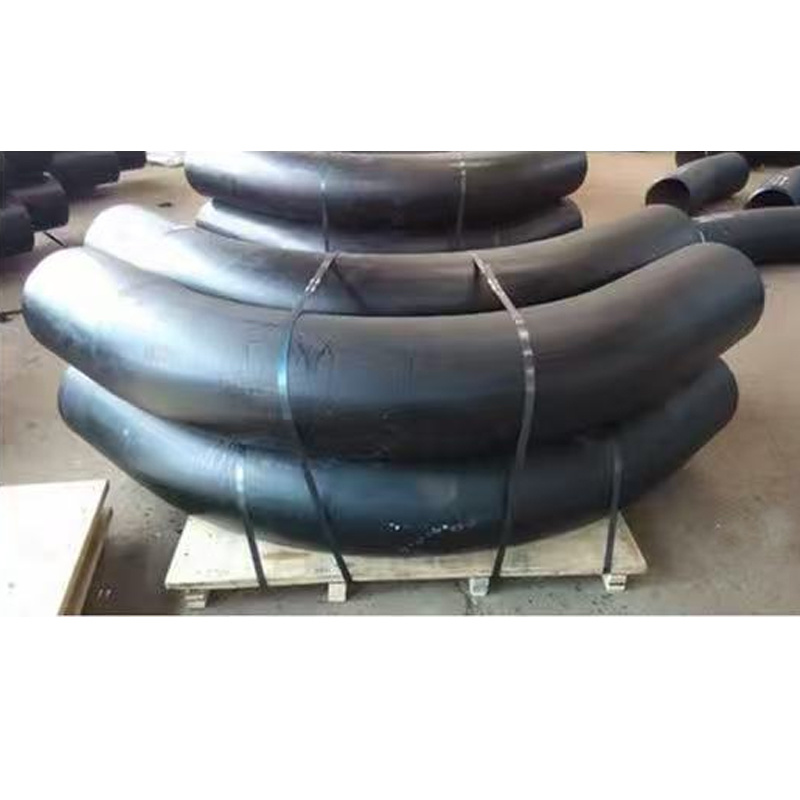
Understanding High-Pressure Plastic-Coated Bends in Industrial Piping Systems
High-pressure plastic-coated bends are critical components in industrial piping systems, especially in applications where durability and resistance to corrosion are paramount. These bends are specifically designed to manage the flow of fluids or gases under high-pressure conditions while maintaining optimal performance and reliability.
The primary function of high-pressure plastic-coated bends is
Sep 13,2026

How to Maintain High-Pressure Alloy Seamless Steel Pipes for Longevity
How to Maintain High-Pressure Alloy Seamless Steel Pipes for Longevity
Table of Contents
Understanding High-Pressure Alloy Seamless Steel Pipes
The Importance of Maintenance for High-Pressure Pipes
Common Challenges in Maintaining High-Pressure Pipes
Best Practices for Maintaining High-Pressure Alloy Seamless Steel Pipes
Regular Inspections and Assessments
Sep 09,2026

Understanding High-Pressure Alloy Bends: Essential Components for Industrial Piping Systems
High-pressure alloy bends are critical components in the design and operation of industrial piping systems. These bends facilitate the efficient transport of fluids and gases under high-pressure conditions, making them indispensable in various applications, including oil and gas, chemical processing, and power generation.
One of the primary advantages of high-pressure alloy bends is their ability
Sep 05,2026

Service E-mail
Tel
Tel
Address
Room 715, Block A, Qinglin Building, Chentangzhuang, Hexi District, Tianjin
Ask For A Quick Quote
We will contact you within one working day. Please pay attention to your email.