

Understanding Reducers in Pipeline Systems: A Comprehensive Guide
Apr 30,2026
---
Reducers are crucial components in industrial pipeline systems, specifically designed to change the size of pipelines, allowing for efficient fluid transport and pressure management. These fittings play a vital role in ensuring that systems function smoothly and safely, making them indispensable in various industrial applications.
A reducer is typically categorized into two types: concentric a
---
Reducers are crucial components in industrial pipeline systems, specifically designed to change the size of pipelines, allowing for efficient fluid transport and pressure management. These fittings play a vital role in ensuring that systems function smoothly and safely, making them indispensable in various industrial applications.
A reducer is typically categorized into two types: concentric and eccentric. Concentric reducers have a symmetrical shape, allowing for a uniform flow of fluids. This is particularly beneficial in systems where pressure stability is crucial. Eccentric reducers, on the other hand, have one side flat, which helps maintain a consistent top or bottom alignment of the pipe. This design is ideal for applications where the flow needs to be regulated evenly, such as in drainage systems.
The primary function of a reducer is to manage the transition between different pipe sizes. In many industrial processes, fluids need to be transported through pipes of varying diameters. Reducers facilitate this transition smoothly, minimizing turbulence and pressure loss, which can lead to system inefficiencies. By using reducers, industrial operators can ensure that the flow rate remains consistent, which is essential for maintaining operational integrity.
In addition to flow management, reducers also play a role in controlling the velocity of the fluid within the pipeline. When a fluid passes from a larger pipe to a smaller one, its velocity increases. This principle of fluid dynamics is crucial in applications like chemical processing, where precise flow rates are necessary for reactions to occur effectively. Properly designed reducers can help optimize these conditions, ensuring that production processes continue without interruption.
Moreover, reducers contribute to the overall safety of pipeline systems. In high-pressure environments, using the correct type of reducer can mitigate risks associated with sudden pressure changes. For instance, a well-placed eccentric reducer can help prevent vapor lock, a situation that can lead to dangerous pressure buildup.
In summary, understanding the role of reducers in industrial pipeline systems is essential for professionals looking to optimize their operations. By selecting the right type of reducer and incorporating it effectively into the pipeline design, operators can enhance fluid flow, maintain pressure stability, and ensure safety. As industries continue to evolve, the importance of such components cannot be overstated. Leveraging the functionality of reducers will not only improve operational efficiency but also contribute to the longevity of the pipeline infrastructure.
Reducers are crucial components in industrial pipeline systems, specifically designed to change the size of pipelines, allowing for efficient fluid transport and pressure management. These fittings play a vital role in ensuring that systems function smoothly and safely, making them indispensable in various industrial applications.
A reducer is typically categorized into two types: concentric and eccentric. Concentric reducers have a symmetrical shape, allowing for a uniform flow of fluids. This is particularly beneficial in systems where pressure stability is crucial. Eccentric reducers, on the other hand, have one side flat, which helps maintain a consistent top or bottom alignment of the pipe. This design is ideal for applications where the flow needs to be regulated evenly, such as in drainage systems.
The primary function of a reducer is to manage the transition between different pipe sizes. In many industrial processes, fluids need to be transported through pipes of varying diameters. Reducers facilitate this transition smoothly, minimizing turbulence and pressure loss, which can lead to system inefficiencies. By using reducers, industrial operators can ensure that the flow rate remains consistent, which is essential for maintaining operational integrity.
In addition to flow management, reducers also play a role in controlling the velocity of the fluid within the pipeline. When a fluid passes from a larger pipe to a smaller one, its velocity increases. This principle of fluid dynamics is crucial in applications like chemical processing, where precise flow rates are necessary for reactions to occur effectively. Properly designed reducers can help optimize these conditions, ensuring that production processes continue without interruption.
Moreover, reducers contribute to the overall safety of pipeline systems. In high-pressure environments, using the correct type of reducer can mitigate risks associated with sudden pressure changes. For instance, a well-placed eccentric reducer can help prevent vapor lock, a situation that can lead to dangerous pressure buildup.
In summary, understanding the role of reducers in industrial pipeline systems is essential for professionals looking to optimize their operations. By selecting the right type of reducer and incorporating it effectively into the pipeline design, operators can enhance fluid flow, maintain pressure stability, and ensure safety. As industries continue to evolve, the importance of such components cannot be overstated. Leveraging the functionality of reducers will not only improve operational efficiency but also contribute to the longevity of the pipeline infrastructure.
Key words:
RELATED INFORMATION
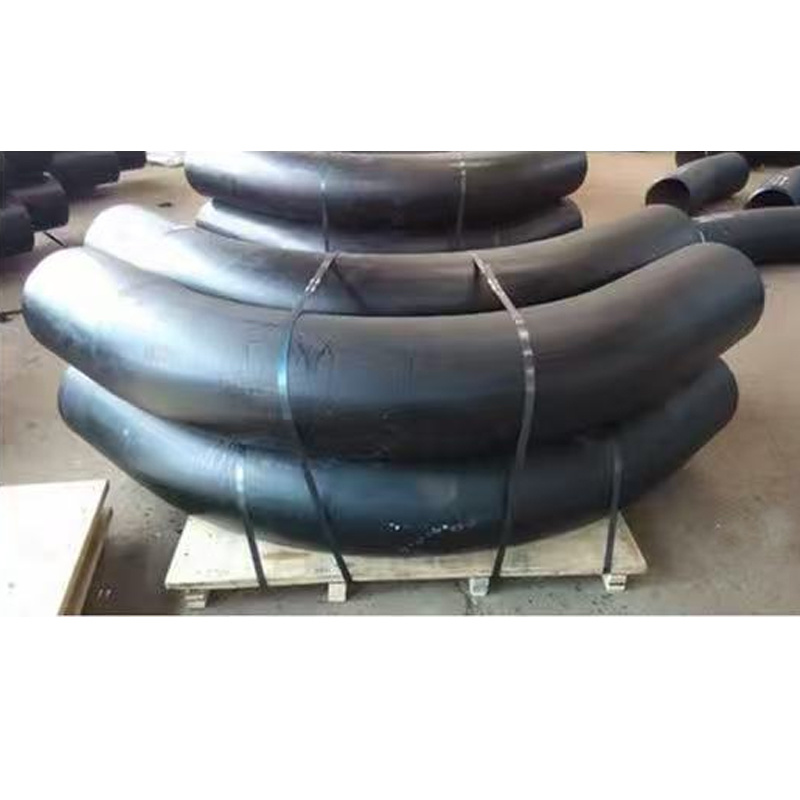
Understanding High-Pressure Plastic-Coated Bends in Industrial Piping Systems
High-pressure plastic-coated bends are critical components in industrial piping systems, especially in applications where durability and resistance to corrosion are paramount. These bends are specifically designed to manage the flow of fluids or gases under high-pressure conditions while maintaining optimal performance and reliability.
The primary function of high-pressure plastic-coated bends is
Sep 13,2026

How to Maintain High-Pressure Alloy Seamless Steel Pipes for Longevity
How to Maintain High-Pressure Alloy Seamless Steel Pipes for Longevity
Table of Contents
Understanding High-Pressure Alloy Seamless Steel Pipes
The Importance of Maintenance for High-Pressure Pipes
Common Challenges in Maintaining High-Pressure Pipes
Best Practices for Maintaining High-Pressure Alloy Seamless Steel Pipes
Regular Inspections and Assessments
Sep 09,2026
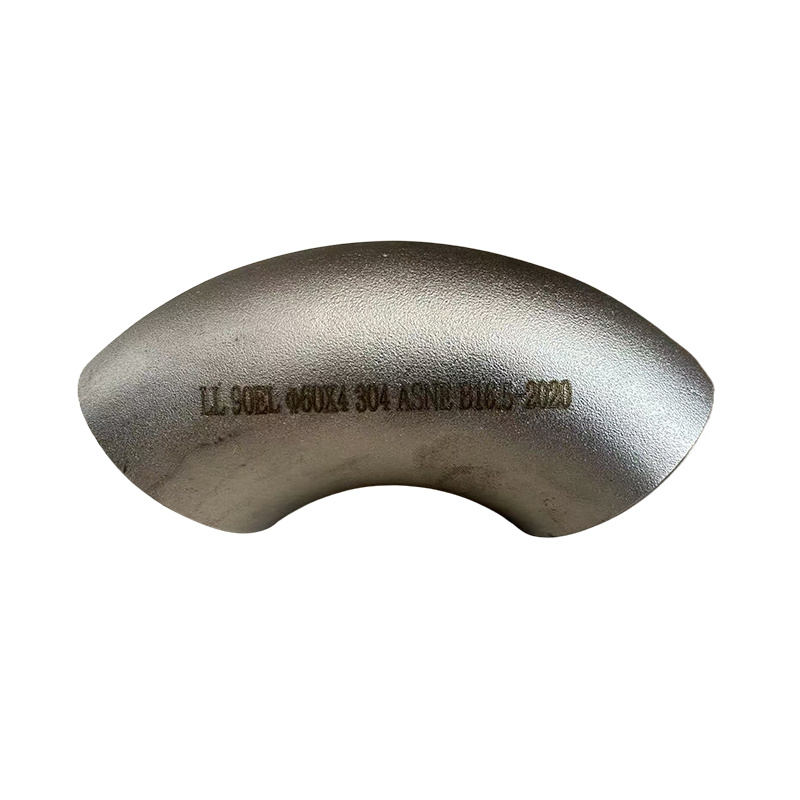
Understanding High-Pressure Alloy Bends: Essential Components for Industrial Piping Systems
High-pressure alloy bends are critical components in the design and operation of industrial piping systems. These bends facilitate the efficient transport of fluids and gases under high-pressure conditions, making them indispensable in various applications, including oil and gas, chemical processing, and power generation.
One of the primary advantages of high-pressure alloy bends is their ability
Sep 05,2026

Service E-mail
Tel
Tel
Address
Room 715, Block A, Qinglin Building, Chentangzhuang, Hexi District, Tianjin
Ask For A Quick Quote
We will contact you within one working day. Please pay attention to your email.