

Exploring the Lifecycle of High-Pressure Petroleum Pipelines: A Comprehensive Guide
May 04,2026
Exploring the Lifecycle of High-Pressure Petroleum Pipelines
Table of Contents
1. Introduction to High-Pressure Petroleum Pipelines
2. Design and Engineering: Laying the Groundwork
2.1 Importance of Design in Pipeline Integrity
2.2 Engineering Standards and Regulations
3. Construction Phase: Building the Pipeline
3.1 Site Preparation and Environmental Considerations
3.2 Material Se
Exploring the Lifecycle of High-Pressure Petroleum Pipelines
Table of Contents
1. Introduction to High-Pressure Petroleum Pipelines
2. Design and Engineering: Laying the Groundwork
2.1 Importance of Design in Pipeline Integrity
2.2 Engineering Standards and Regulations
3. Construction Phase: Building the Pipeline
3.1 Site Preparation and Environmental Considerations
3.2 Material Selection and Quality Control
4. Operation and Maintenance: Ensuring Longevity
4.1 Monitoring Systems and Technology
4.2 Routine Maintenance Practices
5. Challenges in High-Pressure Petroleum Pipeline Management
5.1 Environmental and Regulatory Issues
5.2 Risk Management and Emergency Response
6. Innovations and Future Trends in Pipeline Technology
6.1 Smart Pipeline Systems
6.2 Sustainability in Pipeline Operations
7. Frequently Asked Questions (FAQs)
8. Conclusion: The Future of High-Pressure Petroleum Pipelines
1. Introduction to High-Pressure Petroleum Pipelines
High-pressure petroleum pipelines play a crucial role in the global energy infrastructure. They facilitate the transportation of crude oil and refined petroleum products over long distances, connecting extraction points to refineries and distribution centers. Understanding the lifecycle of these pipelines is essential for stakeholders involved in the oil and gas industry, including engineers, environmentalists, and regulators. This article explores the various stages of high-pressure petroleum pipelines, shedding light on best practices, challenges, and advancements that shape this vital sector.
2. Design and Engineering: Laying the Groundwork
The initial phase of a pipeline's lifecycle is the design and engineering process. This stage is paramount for ensuring the pipeline's integrity, safety, and efficiency.
2.1 Importance of Design in Pipeline Integrity
Effective design minimizes risks and enhances the pipeline's performance. Engineers must consider various factors, including terrain, pressure requirements, and potential environmental impacts. Utilizing advanced modeling tools allows for precise simulations that predict how a pipeline will behave under different conditions.
2.2 Engineering Standards and Regulations
Regulatory bodies impose stringent standards to ensure safety and environmental protection. Compliance with these regulations is not only mandatory but also essential for maintaining public trust. Familiarizing oneself with the latest codes, such as those from the American Society of Mechanical Engineers (ASME) and the Pipeline and Hazardous Materials Safety Administration (PHMSA), is critical for engineers and project managers.
3. Construction Phase: Building the Pipeline
Once the design is finalized, the construction phase commences. This stage involves meticulous planning, coordination, and execution to guarantee a successful build.
3.1 Site Preparation and Environmental Considerations
Prior to construction, thorough site assessments are conducted to evaluate soil conditions and ecological impacts. Environmental protection measures are integrated to minimize disturbance to local ecosystems. This proactive approach not only complies with legal requirements but also fosters goodwill within the community.
3.2 Material Selection and Quality Control
Choosing the right materials is vital for ensuring the pipeline's durability and resistance to corrosion. High-strength steel is commonly used, and stringent quality control inspections are conducted throughout the manufacturing process. Regular testing for material integrity guarantees that only the best components are utilized in construction.
4. Operation and Maintenance: Ensuring Longevity
The operational phase is where the pipeline is put to work. Effective maintenance practices are essential to prolong its lifespan and ensure safe operation.
4.1 Monitoring Systems and Technology
Modern pipelines utilize advanced monitoring technologies, such as automated sensor systems and remote monitoring software, to track pressure, flow rates, and temperature. These systems provide real-time data, enabling operators to detect anomalies and respond proactively to potential issues.
4.2 Routine Maintenance Practices
Regular inspections and maintenance routines, including pigging operations and corrosion assessments, are crucial for maintaining pipeline integrity. Implementing a predictive maintenance strategy can help identify potential failures before they occur, reducing downtime and repair costs.
5. Challenges in High-Pressure Petroleum Pipeline Management
Despite the advancements in technology and practices, several challenges persist in managing high-pressure petroleum pipelines.
5.1 Environmental and Regulatory Issues
Regulatory compliance is an ongoing challenge, with evolving legislation requiring constant adaptation. Environmental concerns, such as spill risks and ecosystem impacts, must be addressed with innovative solutions to maintain operational efficiency while safeguarding the environment.
5.2 Risk Management and Emergency Response
Risk management strategies are essential for anticipating and mitigating potential pipeline failures. Developing a comprehensive emergency response plan ensures that operators are prepared to act swiftly in the event of an incident, minimizing environmental damage and safeguarding public safety.
6. Innovations and Future Trends in Pipeline Technology
The future of high-pressure petroleum pipelines is being shaped by technological innovations that enhance safety and efficiency.
6.1 Smart Pipeline Systems
Emerging technologies, such as Internet of Things (IoT) devices and artificial intelligence, are revolutionizing pipeline management. Smart pipeline systems can process vast amounts of data to optimize operations, predict maintenance needs, and improve safety protocols.
6.2 Sustainability in Pipeline Operations
Sustainability is a growing focus in the oil and gas industry. Innovations aimed at reducing the carbon footprint of pipeline operations, such as alternative energy sources and eco-friendly materials, are becoming increasingly important as stakeholders prioritize environmental responsibility.
7. Frequently Asked Questions (FAQs)
What are high-pressure petroleum pipelines used for?
High-pressure petroleum pipelines are primarily used for transporting crude oil and refined petroleum products from production sites to refineries and distribution centers.
How are high-pressure pipelines constructed?
The construction process involves site preparation, material selection, and assembly, all while adhering to stringent engineering standards and safety regulations.
What technologies are used to monitor pipelines?
Modern pipelines employ automated sensor systems and remote monitoring software to track various parameters, including pressure, temperature, and flow rates.
What are the common challenges in pipeline management?
Challenges include regulatory compliance, environmental concerns, risk management, and the need for ongoing maintenance and innovation.
What is the future of pipeline technology?
The future involves integrating smart technologies and sustainable practices to enhance safety, efficiency, and environmental responsibility in pipeline operations.
8. Conclusion: The Future of High-Pressure Petroleum Pipelines
Understanding the lifecycle of high-pressure petroleum pipelines is crucial for ensuring their safe and efficient operation. From design and construction to maintenance and innovation, every stage plays a significant role in the overall performance and integrity of these essential infrastructures. As the industry continues to evolve, embracing new technologies and sustainable practices will be paramount in addressing the challenges ahead. By prioritizing safety and environmental stewardship, stakeholders can ensure that high-pressure petroleum pipelines remain a vital component of the global energy landscape for years to come.
Key words:
RELATED INFORMATION
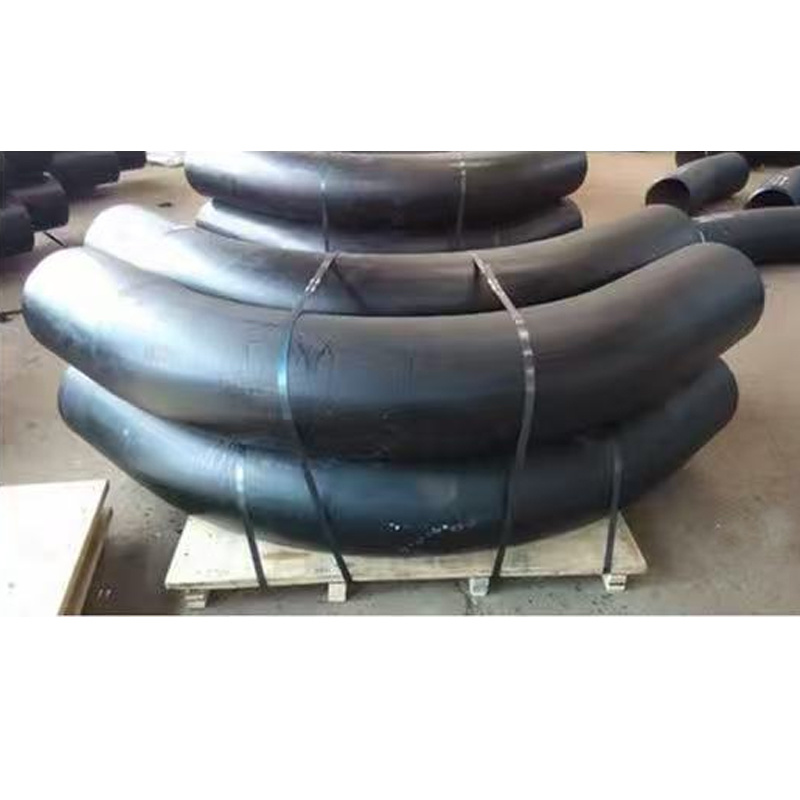
Understanding High-Pressure Plastic-Coated Bends in Industrial Piping Systems
High-pressure plastic-coated bends are critical components in industrial piping systems, especially in applications where durability and resistance to corrosion are paramount. These bends are specifically designed to manage the flow of fluids or gases under high-pressure conditions while maintaining optimal performance and reliability.
The primary function of high-pressure plastic-coated bends is
Sep 13,2026

How to Maintain High-Pressure Alloy Seamless Steel Pipes for Longevity
How to Maintain High-Pressure Alloy Seamless Steel Pipes for Longevity
Table of Contents
Understanding High-Pressure Alloy Seamless Steel Pipes
The Importance of Maintenance for High-Pressure Pipes
Common Challenges in Maintaining High-Pressure Pipes
Best Practices for Maintaining High-Pressure Alloy Seamless Steel Pipes
Regular Inspections and Assessments
Sep 09,2026

Understanding High-Pressure Alloy Bends: Essential Components for Industrial Piping Systems
High-pressure alloy bends are critical components in the design and operation of industrial piping systems. These bends facilitate the efficient transport of fluids and gases under high-pressure conditions, making them indispensable in various applications, including oil and gas, chemical processing, and power generation.
One of the primary advantages of high-pressure alloy bends is their ability
Sep 05,2026

Service E-mail
Tel
Tel
Address
Room 715, Block A, Qinglin Building, Chentangzhuang, Hexi District, Tianjin
Ask For A Quick Quote
We will contact you within one working day. Please pay attention to your email.