

A Beginner's Guide to High-Pressure Alloy Seamless Steel Pipes
Jun 21,2026
A Beginner's Guide to High-Pressure Alloy Seamless Steel Pipes
In the world of industrial equipment and components, high-pressure alloy seamless steel pipes play a crucial role. They are specifically designed to withstand extreme pressure and to resist corrosion, making them ideal for various applications in diverse industries. This guide aims to provide a detailed overview of **high-pressure alloy seamless steel pipes**, their manufacturing process, benefits, applications, and maintenance practices, ensuring that you have all the essential information at your fingertips.
Table of Contents
- Understanding High-Pressure Alloy Seamless Steel Pipes
- Manufacturing Process of High-Pressure Alloy Seamless Steel Pipes
- Advantages of High-Pressure Alloy Seamless Steel Pipes
- Applications in Various Industries
- Standards and Specifications
- Maintenance and Care for High-Pressure Alloy Seamless Steel Pipes
- Common Issues and Solutions
- Frequently Asked Questions
- Conclusion
Understanding High-Pressure Alloy Seamless Steel Pipes
High-pressure alloy seamless steel pipes are specifically engineered to operate under extreme pressure conditions. Unlike welded pipes, seamless pipes are manufactured from a solid block of steel (billet) through a process known as extrusion. This method allows for a more consistent structure without the risk of weld imperfections, which is critical for high-pressure applications.
The composition of these pipes typically includes various alloys like nickel, chromium, and molybdenum, enhancing their strength and corrosion resistance. These properties make them suitable for transporting fluids, gases, and other materials in industries such as oil and gas, chemical processing, and power generation.
Key Characteristics of High-Pressure Alloy Seamless Steel Pipes
- Durability: Designed to endure high temperatures and pressures.
- Corrosion Resistance: Alloy compositions protect against corrosive environments.
- Structural Integrity: Absence of welds ensures uniform strength.
- Versatility: Applicable in various industries due to varying alloy compositions.
Manufacturing Process of High-Pressure Alloy Seamless Steel Pipes
The manufacturing process of high-pressure alloy seamless steel pipes involves several stages. Here’s a breakdown of the key steps:
1. Forging the Billet
The process begins with forging a solid steel billet. The billet is heated to high temperatures and then shaped into a hollow tube using a rotary piercing mill. This process is crucial as it sets the stage for the pipe’s final dimensions and structural integrity.
2. Elongation
After the hollow tube is formed, it undergoes elongation, where it is stretched to achieve the desired length and diameter. This step also helps refine the microstructure of the steel, enhancing its mechanical properties.
3. Heat Treatment
Once the elongation is complete, the pipe is subject to heat treatment processes such as quenching and tempering. This treatment increases the hardness and strength of the steel, making it suitable for high-pressure applications.
4. Inspection and Testing
Before the pipes are dispatched, they undergo rigorous inspection and testing. This includes non-destructive testing methods like ultrasonic and radiographic tests to ensure there are no defects that could compromise their integrity under pressure.
Advantages of High-Pressure Alloy Seamless Steel Pipes
Choosing high-pressure alloy seamless steel pipes for your industrial applications offers numerous advantages:
1. Enhanced Safety
Since these pipes are manufactured without seams, they are less likely to fail under pressure, significantly enhancing safety in operations where high-pressure transport is involved.
2. Reduced Maintenance Costs
The durability and corrosion resistance of these pipes lead to lower maintenance costs over time. They require less frequent replacements compared to standard welded pipes.
3. Increased Efficiency
Due to their ability to withstand high pressures and temperatures, seamless pipes help maintain consistent flow rates, improving overall system efficiency.
4. Greater Design Flexibility
High-pressure alloy seamless steel pipes can be manufactured in various diameters and thicknesses, allowing for more flexibility in design and application.
Applications in Various Industries
High-pressure alloy seamless steel pipes find applications across numerous industries, including:
1. Oil and Gas Industry
These pipes are extensively used for the transportation of crude oil and natural gas. Their high strength and corrosion resistance make them suitable for offshore pipelines and refineries.
2. Chemical Processing
In chemical manufacturing, seamless pipes are used to transport aggressive chemicals and high-temperature fluids safely.
3. Power Generation
High-pressure alloy seamless steel pipes are integral to power plants, particularly in steam and heat exchange applications.
4. Aerospace Engineering
The aerospace industry utilizes these pipes for fuel lines, hydraulic systems, and other critical applications due to their lightweight and strong properties.
Standards and Specifications
Compliance with industry standards is crucial for ensuring the quality and reliability of high-pressure alloy seamless steel pipes. Some key standards include:
- ASTM A335: Specification for seamless ferritic alloy-steel pipe intended for high-temperature service.
- ASME SA335: Similar to ASTM, but specifically for use in pressure service.
- ISO 3183: International standard for line pipe for pipeline transportation systems in the petroleum and natural gas industries.
Maintenance and Care for High-Pressure Alloy Seamless Steel Pipes
To ensure the longevity and optimal performance of high-pressure alloy seamless steel pipes, proper maintenance and care are necessary:
1. Regular Inspection
Conduct routine inspections to detect any signs of corrosion, wear, or other potential issues. Non-destructive testing methods can be employed for thorough assessments.
2. Cleaning
Keep pipes clean to prevent the buildup of debris and corrosive substances. Regular cleaning can extend the lifespan of the pipes significantly.
3. Monitoring Pressure Levels
Continuously monitor pressure levels during operation to avoid exceeding the pipe's pressure tolerance, which could lead to failures.
Common Issues and Solutions
Understanding potential issues associated with high-pressure alloy seamless steel pipes can help in proactive management:
1. Corrosion
**Solution:** Implement regular inspections and consider applying protective coatings to enhance corrosion resistance.
2. Pressure Drops
**Solution:** Check for blockages or leaks within the system that may be causing pressure drops, and address them promptly.
3. Weld Failures (in welded joints)
**Solution:** While seamless pipes eliminate this issue, if using welded pipes, ensure proper welding techniques and materials are employed.
Frequently Asked Questions
1. What is the difference between seamless and welded pipes?
Seamless pipes are manufactured from a single piece of steel, providing uniform strength, while welded pipes are created by joining two pieces of metal together, which can introduce weak points.
2. How are high-pressure alloy seamless steel pipes tested?
They undergo various tests, including ultrasonic tests, hydrostatic tests, and visual inspections, to ensure their integrity and performance under pressure.
3. What are the common grades of alloy steel used in these pipes?
Common grades include ASTM A335 P11, P22, and P91, each offering different properties tailored for specific applications.
4. Can these pipes be used in extreme temperatures?
Yes, high-pressure alloy seamless steel pipes are designed to withstand both high and low-temperature environments, depending on their specific alloy composition.
5. What maintenance practices should be followed?
Regular inspections, cleaning, and monitoring pressure levels are essential maintenance practices to ensure the pipes' longevity and performance.
Conclusion
High-pressure alloy seamless steel pipes are indispensable in various industrial applications due to their superior strength, durability, and resistance to corrosion. Understanding their manufacturing process, benefits, and maintenance practices is essential for anyone involved in industries that rely on these critical components. By following the guidance provided in this comprehensive guide, you can make informed decisions that will enhance the performance and safety of your operations. Investing in high-quality seamless pipes will not only improve efficiency but also contribute to long-term success in your projects.
Key words:
RELATED INFORMATION
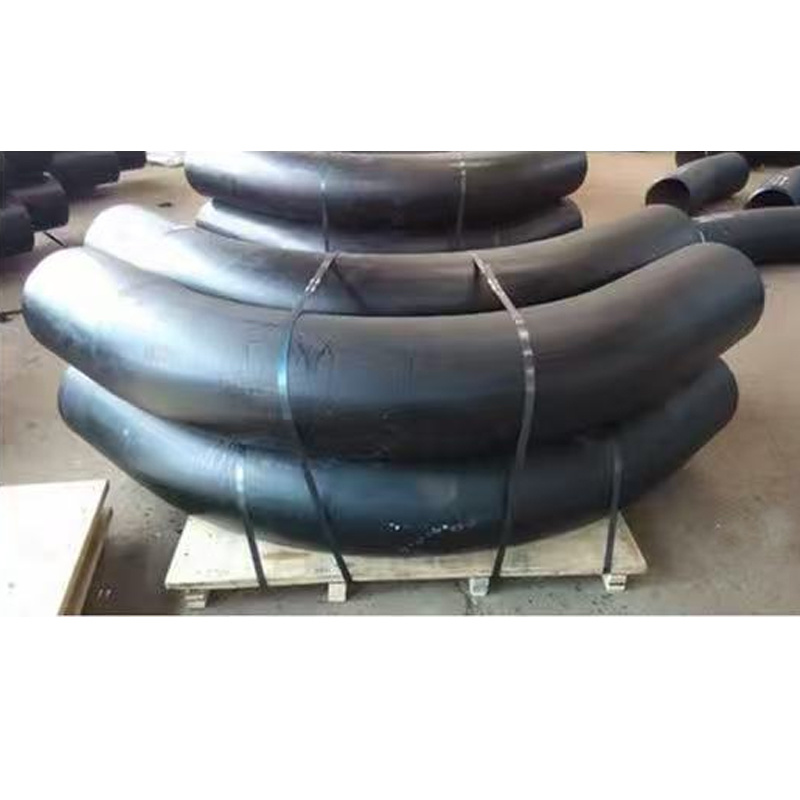
Understanding High-Pressure Plastic-Coated Bends in Industrial Piping Systems
Sep 13,2026

How to Maintain High-Pressure Alloy Seamless Steel Pipes for Longevity
Sep 09,2026
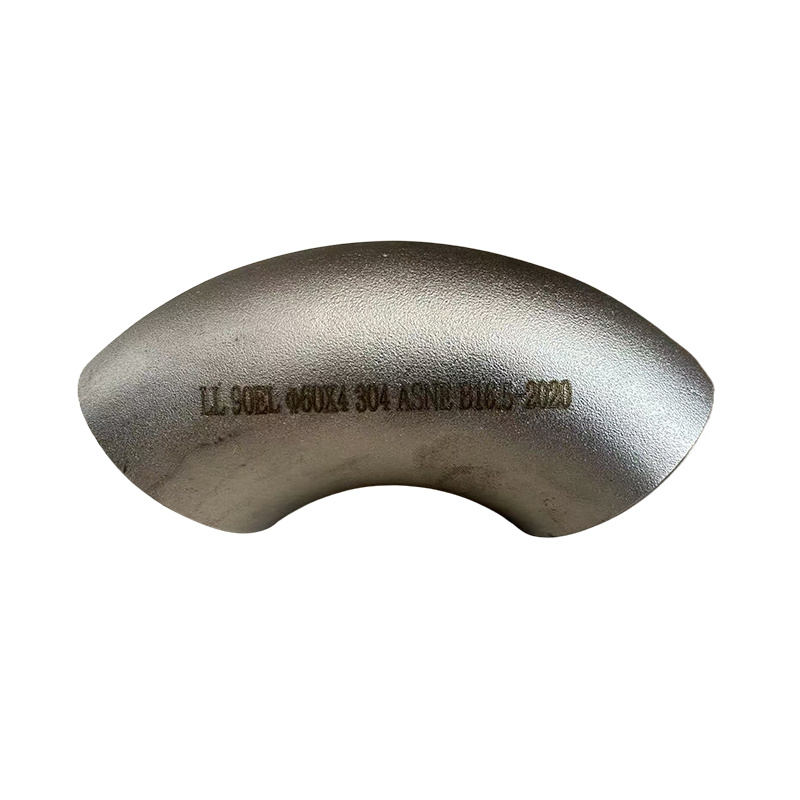
Understanding High-Pressure Alloy Bends: Essential Components for Industrial Piping Systems
Sep 05,2026

Service E-mail
Tel
Tel
Address
Room 715, Block A, Qinglin Building, Chentangzhuang, Hexi District, Tianjin
Ask For A Quick Quote
We will contact you within one working day. Please pay attention to your email.