

End Cap Enhancing Pipeline Sealing Performance and Structural Protection in Industrial Piping Systems
Jun 25,2026
In modern industrial piping systems used across oil and gas, chemical processing, water supply, and construction engineering, safe and reliable pipe termination is essential for system integrity. Among standard pipe fittings, the End cap plays a crucial role in sealing pipeline ends, preventing leakage, and protecting internal systems from contamination and damage.
An end cap is a pipe fitting designed to close the end of a pipeline or tubing system. It is typically manufactured from materials such as carbon steel, stainless steel, alloy steel, PVC, or HDPE, depending on the application environment and pressure requirements. End caps can be welded, threaded, or socket-fitted to ensure secure and permanent or removable sealing.
One of the key advantages of an end cap is reliable sealing performance. By securely closing the pipeline end, it prevents fluid or gas leakage, ensuring safe operation of pressurized systems. This is especially important in oil pipelines, chemical transport systems, and high-pressure industrial applications.
Another important benefit is system protection. End caps prevent external contaminants such as dust, moisture, and debris from entering pipelines during storage, transportation, or system downtime. This helps maintain internal cleanliness and reduces the risk of corrosion or blockage.
Structural safety is also a major function. In pressurized piping networks, open pipe ends can pose safety risks. End caps help maintain system integrity by containing internal pressure and preventing accidental discharge of materials.
Durability is another key feature. High-quality end caps are designed to withstand high pressure, temperature fluctuations, and corrosive environments. Materials such as stainless steel and alloy steel provide excellent resistance in harsh industrial conditions.
Installation flexibility is also an advantage. End caps are available in various connection types, including butt-weld, socket weld, threaded, and push-fit designs, allowing compatibility with different piping systems and installation requirements.
In addition, end caps are widely used during pipeline testing and maintenance. They are often applied to temporarily seal sections of pipelines during pressure testing, system inspection, or construction phases, ensuring safe and controlled operations.
Modern manufacturing processes ensure high dimensional accuracy and surface quality through forging, casting, machining, and precision finishing techniques. This improves fitting reliability and long-term performance.
End caps are widely used in petrochemical pipelines, water distribution systems, HVAC systems, industrial machinery piping, and construction projects. Their simple structure combined with critical sealing functionality makes them an essential component in almost all piping systems.
As industrial infrastructure continues to expand, the demand for reliable pipe fittings such as end caps remains strong, supporting safe, efficient, and long-lasting pipeline operation across multiple industries.
Key words:
RELATED INFORMATION
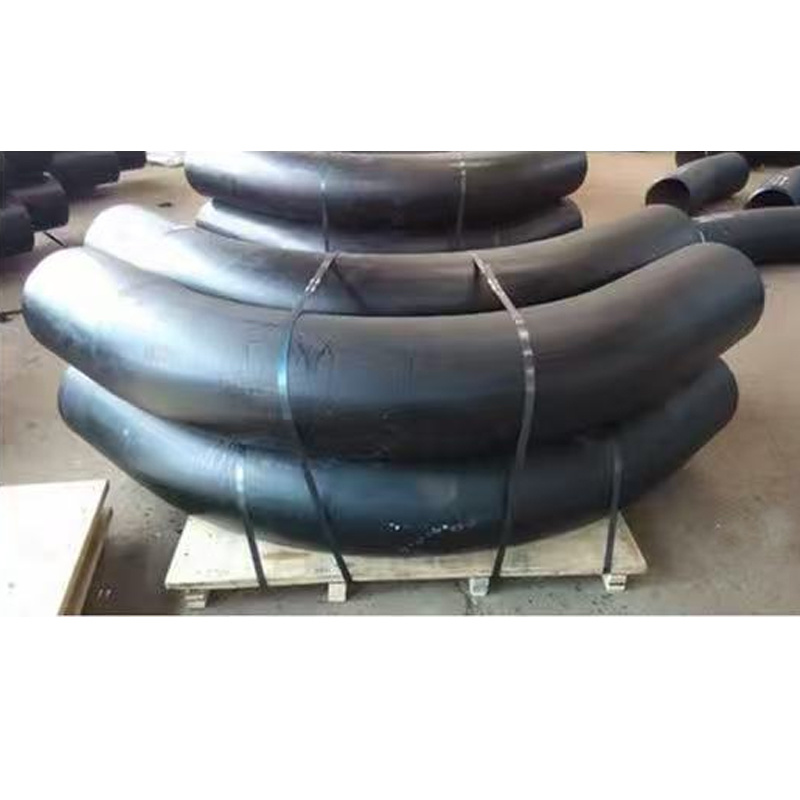
Understanding High-Pressure Plastic-Coated Bends in Industrial Piping Systems
Sep 13,2026

How to Maintain High-Pressure Alloy Seamless Steel Pipes for Longevity
Sep 09,2026
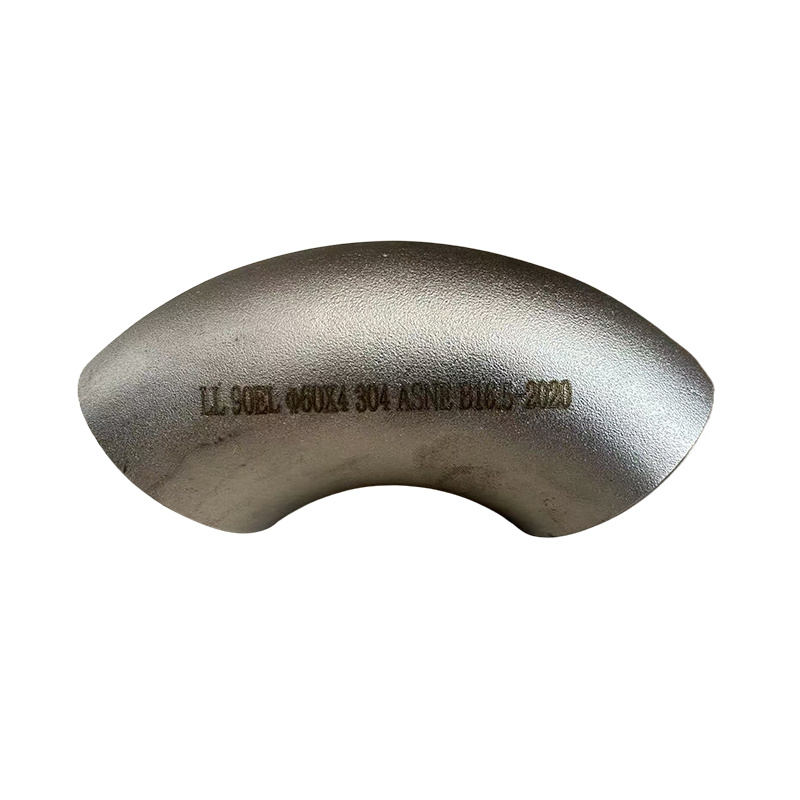
Understanding High-Pressure Alloy Bends: Essential Components for Industrial Piping Systems
Sep 05,2026

Service E-mail
Tel
Tel
Address
Room 715, Block A, Qinglin Building, Chentangzhuang, Hexi District, Tianjin
Ask For A Quick Quote
We will contact you within one working day. Please pay attention to your email.