

Key Technologies Driving High-Pressure Petroleum Pipeline Efficiency
Jul 23,2026
Key Technologies Driving High-Pressure Petroleum Pipeline Efficiency
Introduction to High-Pressure Petroleum Pipelines
High-pressure petroleum pipelines play a pivotal role in transporting crude oil and refined products over vast distances. As global energy demands continue to rise, the efficiency of these pipelines is more crucial than ever. This article aims to explore the **key technologies** t
Key Technologies Driving High-Pressure Petroleum Pipeline Efficiency
Introduction to High-Pressure Petroleum Pipelines
High-pressure petroleum pipelines play a pivotal role in transporting crude oil and refined products over vast distances. As global energy demands continue to rise, the efficiency of these pipelines is more crucial than ever. This article aims to explore the **key technologies** that are not only enhancing the efficiency of high-pressure petroleum pipelines but also ensuring their safety and sustainability in an ever-evolving industry.
Understanding High-Pressure Pipelines
High-pressure pipelines are designed to transport petroleum products at pressures that can reach thousands of psi (pounds per square inch). Their construction and operation require advanced engineering and technology to ensure they can withstand extreme conditions while maintaining safe and efficient transport.
Importance of Efficiency in Petroleum Pipeline Operations
Efficiency in petroleum pipeline operations directly impacts transportation costs, environmental safety, and overall supply chain effectiveness. By leveraging the latest technologies, operators can minimize risks associated with leaks and failures while maximizing throughput.
Key Technologies Enhancing Pipeline Efficiency
1. Advanced Pipeline Monitoring Systems
One of the foremost technologies driving efficiency in high-pressure petroleum pipelines is the development of advanced **monitoring systems**. These systems utilize real-time data collection methods, including:
- **Smart Sensors**: Installed along pipelines to monitor pressure, temperature, and flow rates.
- **Automated Control Systems**: Allow for immediate response to detected anomalies, reducing the risk of catastrophic failures.
By incorporating these systems, operators can achieve greater visibility into their pipeline operations and respond swiftly to potential issues.
2. Predictive Analytics and Machine Learning
Predictive analytics and machine learning have transformed how operators manage pipeline performance. By analyzing historical data, these technologies can forecast potential failures and maintenance needs. This proactive approach allows for:
- **Reduced Downtime**: By scheduling maintenance before failures occur.
- **Optimized Resource Allocation**: Ensuring that maintenance teams and materials are available when and where they are most needed.
The integration of these technologies results in a significant increase in operational efficiency.
3. Enhanced Pipeline Materials
The materials used in pipeline construction have evolved significantly, with innovations leading to the development of stronger, lighter, and more durable options. Key advancements include:
- **High-Strength Steel Alloys**: These materials can withstand higher pressures and resist corrosion, extending the lifespan of pipelines.
- **Composite Materials**: Offering weight savings and improved resistance to environmental factors, these materials contribute to overall efficiency.
Using these advanced materials ensures pipelines can operate safely and effectively, even under extreme conditions.
4. Automated Pigging Systems
Pigging is an essential maintenance practice used to clean and inspect pipelines. Automated pigging systems have revolutionized this process by enabling:
- **Real-Time Monitoring**: Providing operators with immediate feedback on the condition of the pipeline.
- **Reduced Manual Labor**: Minimizing the need for extensive human intervention during maintenance.
These benefits not only enhance efficiency but also improve safety by reducing the exposure of personnel to hazardous environments.
5. Digital Twin Technology
Digital twin technology creates a virtual replica of physical assets, allowing operators to simulate and analyze the performance of high-pressure pipelines in real-time. This technology offers several advantages:
- **Improved Decision-Making**: By visualizing potential scenarios, operators can make informed decisions regarding maintenance and upgrades.
- **Enhanced Risk Management**: Identifying potential failure points before they occur allows for targeted interventions, improving overall safety.
The implementation of digital twin technology leads to optimized operations and reduced costs.
The Role of Regulation and Standards
Adhering to Industry Standards
Regulatory bodies have established guidelines and standards to ensure pipeline safety and efficiency. Compliance with these regulations is crucial for:
- **Environmental Protection**: Preventing spills and leaks that could cause harm to ecosystems.
- **Public Safety**: Reducing the risks associated with high-pressure petroleum transport.
Staying abreast of regulations and integrating compliance into operational practices is essential for maintaining efficiency and safety.
Collaborative Efforts Among Industry Stakeholders
The petroleum industry is characterized by collaboration among various stakeholders, including operators, regulators, and technology providers. This collaboration promotes the sharing of best practices and the development of innovative solutions that drive efficiency.
Challenges in High-Pressure Pipeline Operations
Despite advancements in technology, high-pressure petroleum pipeline operations face several challenges, including:
- **Aging Infrastructure**: Many pipelines are decades old and require significant upgrades to meet modern efficiency standards.
- **Environmental Concerns**: As public scrutiny increases, operators must balance efficiency with environmental stewardship.
- **Cybersecurity Threats**: Increased digitization of pipeline operations exposes them to potential cyberattacks, necessitating robust security measures.
Addressing these challenges requires continued investment in technology and infrastructure.
Future Trends in Pipeline Technology
As technology continues to advance, we can expect several trends that will further enhance the efficiency of high-pressure petroleum pipelines:
1. Integration of IoT (Internet of Things)
The Internet of Things will play a significant role in pipeline operations, allowing for greater interconnectivity among devices and systems. This integration will enable:
- **Enhanced Data Collection**: Providing deeper insights into pipeline performance.
- **Improved Automation**: Streamlining processes further and reducing operational risks.
2. Greater Emphasis on Sustainability
With growing concerns about climate change and environmental impact, the petroleum industry is increasingly focusing on sustainable practices. Innovations aimed at reducing emissions and improving energy efficiency will become paramount.
3. Advancements in Robotics
Robotic technologies are set to revolutionize maintenance practices, enabling remote inspections and repairs in hazardous environments. This shift will enhance safety and operational efficiency.
Conclusion
The efficiency of high-pressure petroleum pipelines is paramount for meeting global energy demands while ensuring safety and sustainability. By leveraging **advanced technologies** such as real-time monitoring systems, predictive analytics, enhanced materials, automated pigging systems, and digital twin technology, the industry can significantly improve operational efficiency. As we look to the future, the embrace of IoT, robotics, and sustainable practices will further enhance the capabilities of high-pressure pipeline operations. Continuous innovation and collaboration among industry stakeholders will be critical in navigating the challenges ahead, ensuring that petroleum transportation remains efficient, safe, and environmentally responsible.
FAQs
1. What is the purpose of high-pressure petroleum pipelines?
High-pressure petroleum pipelines are designed to transport crude oil and refined petroleum products safely and efficiently over long distances.
2. How do advanced monitoring systems improve pipeline efficiency?
Advanced monitoring systems provide real-time data on pressure, temperature, and flow rates, enabling rapid response to anomalies and minimizing risks.
3. What materials are used in the construction of high-pressure pipelines?
High-strength steel alloys and composite materials are commonly used to ensure durability, resistance to corrosion, and the ability to withstand high pressures.
4. What is digital twin technology, and how does it benefit pipeline operations?
Digital twin technology creates a virtual model of pipelines, allowing operators to simulate performance and identify potential issues before they occur.
5. How does the petroleum industry address environmental concerns related to pipeline operations?
The industry adheres to regulations, invests in sustainable practices, and utilizes advanced technologies to minimize environmental impact and enhance safety.
This comprehensive guide aims to provide valuable insights into the key technologies driving high-pressure petroleum pipeline efficiency, ensuring operators can adapt to the challenges and opportunities that lie ahead.
Key words:
RELATED INFORMATION
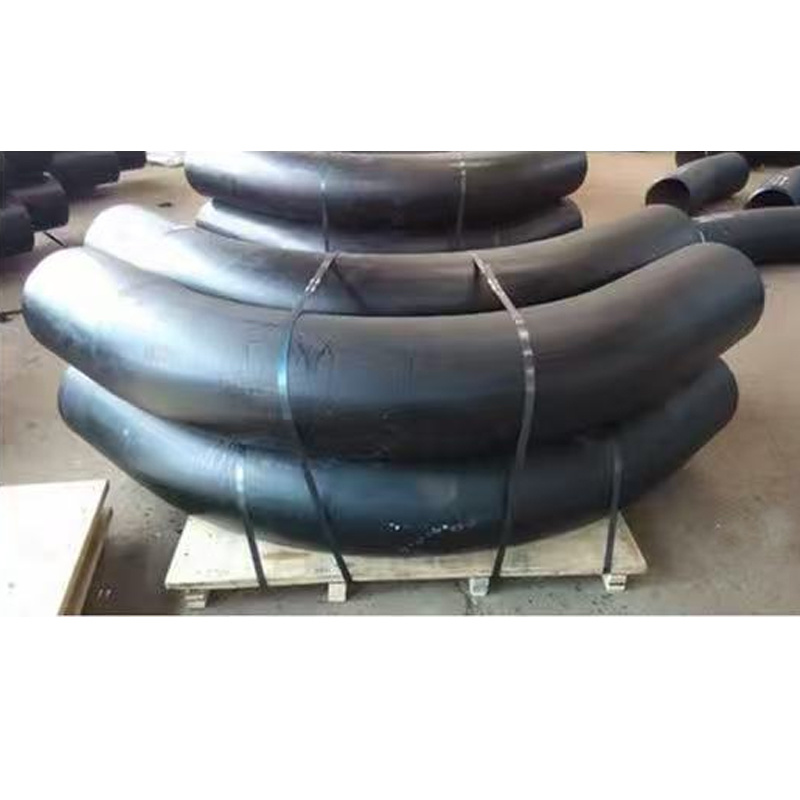
Understanding High-Pressure Plastic-Coated Bends in Industrial Piping Systems
High-pressure plastic-coated bends are critical components in industrial piping systems, especially in applications where durability and resistance to corrosion are paramount. These bends are specifically designed to manage the flow of fluids or gases under high-pressure conditions while maintaining optimal performance and reliability.
The primary function of high-pressure plastic-coated bends is
Sep 13,2026

How to Maintain High-Pressure Alloy Seamless Steel Pipes for Longevity
How to Maintain High-Pressure Alloy Seamless Steel Pipes for Longevity
Table of Contents
Understanding High-Pressure Alloy Seamless Steel Pipes
The Importance of Maintenance for High-Pressure Pipes
Common Challenges in Maintaining High-Pressure Pipes
Best Practices for Maintaining High-Pressure Alloy Seamless Steel Pipes
Regular Inspections and Assessments
Sep 09,2026

Understanding High-Pressure Alloy Bends: Essential Components for Industrial Piping Systems
High-pressure alloy bends are critical components in the design and operation of industrial piping systems. These bends facilitate the efficient transport of fluids and gases under high-pressure conditions, making them indispensable in various applications, including oil and gas, chemical processing, and power generation.
One of the primary advantages of high-pressure alloy bends is their ability
Sep 05,2026

Service E-mail
Tel
Tel
Address
Room 715, Block A, Qinglin Building, Chentangzhuang, Hexi District, Tianjin
Ask For A Quick Quote
We will contact you within one working day. Please pay attention to your email.