

Understanding High-Pressure Alloy Bends: Essential Insights for Industrial Piping Systems
Jul 27,2026
High-pressure alloy bends are vital components in industrial piping systems, particularly in applications where safety, durability, and efficiency are paramount. These bends are designed to redirect the flow of fluids and gases in pipelines while withstanding extreme pressures and temperatures. The use of high-performance alloys in their construction ensures that they can endure the rigors of hars
High-pressure alloy bends are vital components in industrial piping systems, particularly in applications where safety, durability, and efficiency are paramount. These bends are designed to redirect the flow of fluids and gases in pipelines while withstanding extreme pressures and temperatures. The use of high-performance alloys in their construction ensures that they can endure the rigors of harsh environments, making them essential in various industries, including oil and gas, chemical processing, and power generation.
One of the primary advantages of high-pressure alloy bends is their ability to maintain structural integrity under intense pressure. Traditional piping materials may fail when subjected to high stress, leading to leaks or catastrophic failures. High-pressure alloy bends, on the other hand, are crafted from materials that exhibit superior strength and corrosion resistance. Commonly used alloys include stainless steel, nickel-based alloys, and titanium, each chosen for their specific properties suited to the operating conditions of the system.
The design of high-pressure alloy bends is another crucial factor to consider. These bends typically feature smooth transitions and precise angles to minimize pressure drops and turbulence within the system. This not only enhances flow efficiency but also reduces the wear and tear on the piping system, leading to lower maintenance costs over time. Engineers often use advanced modeling software to simulate fluid dynamics through the bends, ensuring optimal performance in real-world applications.
Installation and maintenance of high-pressure alloy bends require skilled personnel familiar with the unique challenges posed by high-pressure systems. Proper welding techniques and joint fittings are critical to preventing leaks and ensuring the longevity of the piping systems. Regular inspections and maintenance schedules are essential to identify any potential wear or damage early, thereby mitigating risks associated with high-pressure operations.
In addition to their engineering advantages, high-pressure alloy bends contribute to the overall safety of industrial operations. By providing reliable conduits for the transport of hazardous materials, these components help prevent accidents that could result from system failures. Consequently, investing in high-quality alloy bends not only enhances performance but also aligns with industry safety standards.
In conclusion, high-pressure alloy bends are indispensable in industrial piping systems, offering enhanced strength, durability, and safety. Understanding their design, material properties, and maintenance requirements is vital for professionals engaged in the management of high-pressure environments. As industries continue to evolve and demand more efficient piping solutions, the role of high-pressure alloy bends will remain crucial in ensuring operational reliability and safety.
One of the primary advantages of high-pressure alloy bends is their ability to maintain structural integrity under intense pressure. Traditional piping materials may fail when subjected to high stress, leading to leaks or catastrophic failures. High-pressure alloy bends, on the other hand, are crafted from materials that exhibit superior strength and corrosion resistance. Commonly used alloys include stainless steel, nickel-based alloys, and titanium, each chosen for their specific properties suited to the operating conditions of the system.
The design of high-pressure alloy bends is another crucial factor to consider. These bends typically feature smooth transitions and precise angles to minimize pressure drops and turbulence within the system. This not only enhances flow efficiency but also reduces the wear and tear on the piping system, leading to lower maintenance costs over time. Engineers often use advanced modeling software to simulate fluid dynamics through the bends, ensuring optimal performance in real-world applications.
Installation and maintenance of high-pressure alloy bends require skilled personnel familiar with the unique challenges posed by high-pressure systems. Proper welding techniques and joint fittings are critical to preventing leaks and ensuring the longevity of the piping systems. Regular inspections and maintenance schedules are essential to identify any potential wear or damage early, thereby mitigating risks associated with high-pressure operations.
In addition to their engineering advantages, high-pressure alloy bends contribute to the overall safety of industrial operations. By providing reliable conduits for the transport of hazardous materials, these components help prevent accidents that could result from system failures. Consequently, investing in high-quality alloy bends not only enhances performance but also aligns with industry safety standards.
In conclusion, high-pressure alloy bends are indispensable in industrial piping systems, offering enhanced strength, durability, and safety. Understanding their design, material properties, and maintenance requirements is vital for professionals engaged in the management of high-pressure environments. As industries continue to evolve and demand more efficient piping solutions, the role of high-pressure alloy bends will remain crucial in ensuring operational reliability and safety.
Key words:
RELATED INFORMATION
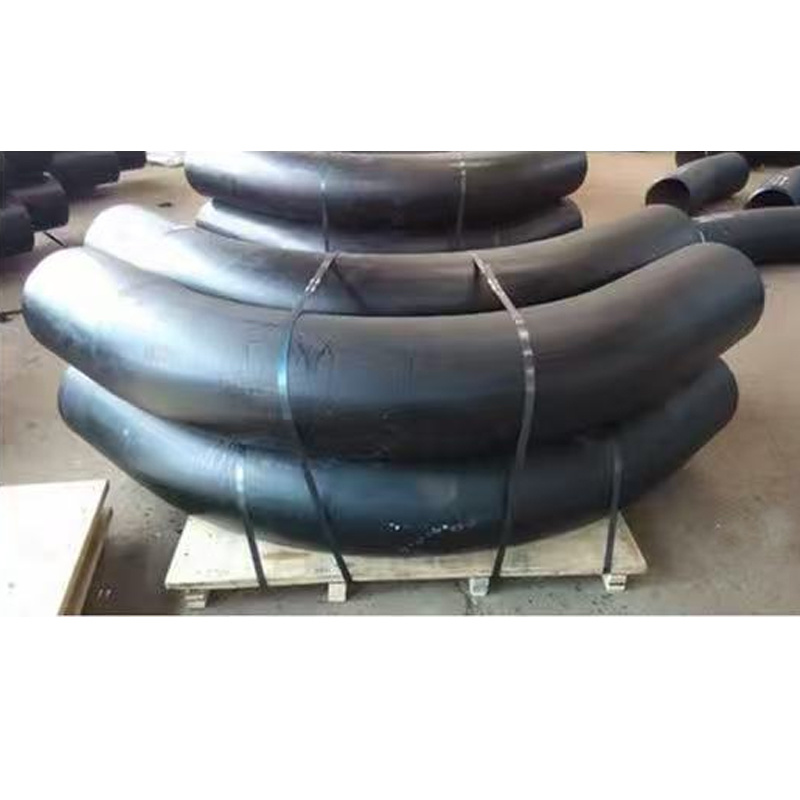
Understanding High-Pressure Plastic-Coated Bends in Industrial Piping Systems
High-pressure plastic-coated bends are critical components in industrial piping systems, especially in applications where durability and resistance to corrosion are paramount. These bends are specifically designed to manage the flow of fluids or gases under high-pressure conditions while maintaining optimal performance and reliability.
The primary function of high-pressure plastic-coated bends is
Sep 13,2026

How to Maintain High-Pressure Alloy Seamless Steel Pipes for Longevity
How to Maintain High-Pressure Alloy Seamless Steel Pipes for Longevity
Table of Contents
Understanding High-Pressure Alloy Seamless Steel Pipes
The Importance of Maintenance for High-Pressure Pipes
Common Challenges in Maintaining High-Pressure Pipes
Best Practices for Maintaining High-Pressure Alloy Seamless Steel Pipes
Regular Inspections and Assessments
Sep 09,2026
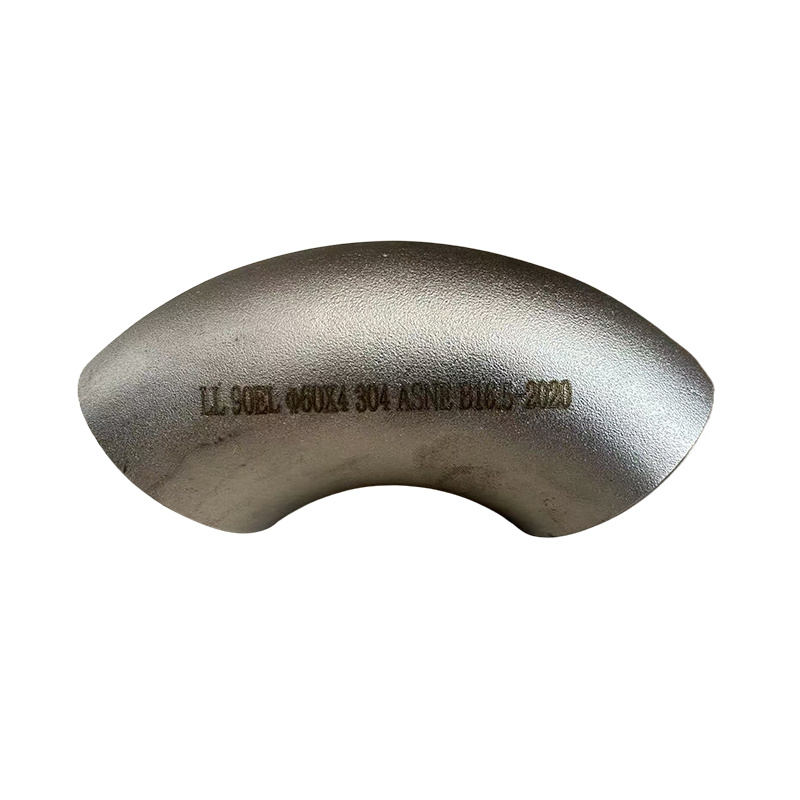
Understanding High-Pressure Alloy Bends: Essential Components for Industrial Piping Systems
High-pressure alloy bends are critical components in the design and operation of industrial piping systems. These bends facilitate the efficient transport of fluids and gases under high-pressure conditions, making them indispensable in various applications, including oil and gas, chemical processing, and power generation.
One of the primary advantages of high-pressure alloy bends is their ability
Sep 05,2026

Service E-mail
Tel
Tel
Address
Room 715, Block A, Qinglin Building, Chentangzhuang, Hexi District, Tianjin
Ask For A Quick Quote
We will contact you within one working day. Please pay attention to your email.