

A Comprehensive Guide to Avoiding Common Mistakes When Selecting High-Pressure Alloy Seamless Steel Pipes
Jul 31,2026
A Comprehensive Guide to Avoiding Common Mistakes When Selecting High-Pressure Alloy Seamless Steel Pipes
Selecting high-pressure alloy seamless steel pipes is a critical task for industries requiring durable and reliable piping solutions. Mistakes in this process can lead to significant operational setbacks, increased costs, or even safety hazards. In this article, we will delve into the common p
A Comprehensive Guide to Avoiding Common Mistakes When Selecting High-Pressure Alloy Seamless Steel Pipes
Selecting high-pressure alloy seamless steel pipes is a critical task for industries requiring durable and reliable piping solutions. Mistakes in this process can lead to significant operational setbacks, increased costs, or even safety hazards. In this article, we will delve into the common pitfalls associated with choosing high-pressure alloy seamless steel pipes and provide thorough insights and tips to help you make informed decisions.
Understanding High-Pressure Alloy Seamless Steel Pipes
Before we dive into the pitfalls, let’s clarify what high-pressure alloy seamless steel pipes are. These pipes are manufactured from alloy steel and are devoid of seams, which makes them particularly resilient to high pressure and temperature. Their applications span various industries, including oil and gas, chemical processing, and power generation.
The Importance of Proper Selection
The selection of the right piping material is paramount for maintaining system integrity and ensuring safety. High-pressure environments require pipes that can withstand extreme conditions without failure. Thus, understanding the specifications and properties of these pipes is vital.
Common Mistakes in Selecting High-Pressure Alloy Seamless Steel Pipes
Now that we have a foundational understanding, let’s explore the common mistakes that often occur during the selection process.
1. Ignoring the Material Specifications
One of the most frequent mistakes is neglecting to verify the material specifications of the alloy seamless steel pipes. Each application demands specific material properties, such as corrosion resistance or tensile strength. Failing to align these requirements with the pipe specifications can lead to premature failures.
Tips for Material Specification
- **Identify the service environment**: Consider factors like temperature fluctuations and exposure to corrosive agents.
- **Review ASTM standards**: Familiarize yourself with relevant standards, such as ASTM A312 or A335, to ensure compliance with industry benchmarks.
2. Overlooking Pressure Ratings
Pressure ratings determine how much pressure a pipe can safely handle. A common error is selecting pipes without a thorough assessment of the operating pressure and potential pressure spikes.
Understanding Pressure Ratings
- **Check the ratings**: Ensure that the selected pipe’s pressure rating exceeds the maximum operating pressure.
- **Consider safety margins**: Incorporate safety factors into your calculations to accommodate unexpected pressure increases.
3. Neglecting Manufacturer Credentials
Not all manufacturers adhere to the same quality standards. Relying on lower-quality sources can result in substandard products that fail under pressure.
Evaluating Manufacturer Credentials
- **Research the manufacturer’s history**: Look for established companies with a strong track record in producing high-pressure alloy seamless steel pipes.
- **Request certifications**: Ensure that the manufacturer holds relevant certifications, such as ISO 9001, to guarantee product quality.
4. Failing to Consider Pipe Size
Selecting the correct pipe size is crucial for effective fluid flow and pressure management. Oversized or undersized pipes can lead to inefficiencies and increased operational costs.
Determining the Right Size
- **Consult flow rate requirements**: Assess the necessary flow rates to determine the appropriate diameter.
- **Factor in installation conditions**: Ensure that the selected size fits the layout and installation requirements of your project.
5. Overlooking Compatibility with Fittings and Valves
Compatibility issues with fittings and valves can lead to leaks or catastrophic failures. It’s essential to ensure that all components of your piping system work harmoniously together.
Ensuring Compatibility
- **Check connection types**: Verify that the pipe ends match the fittings and valves in terms of design and material.
- **Review pressure ratings of all components**: Confirm that all parts of the system can handle the maximum expected pressure.
Additional Considerations for Selecting High-Pressure Alloy Seamless Steel Pipes
Beyond the pitfalls, there are several additional factors to consider when selecting high-pressure alloy seamless steel pipes.
1. Cost vs. Quality
While it may be tempting to opt for the cheapest option, the long-term implications of selecting low-quality pipes can be detrimental. Investing in high-quality materials often leads to reduced maintenance costs and increased safety.
Budgeting for Quality
- **Conduct a cost-benefit analysis**: Weigh the upfront costs against potential savings from enhanced durability and performance.
- **Explore financing options**: Consider leasing or financing solutions for high-quality materials that may stretch your budget.
2. Understanding Corrosion Resistance
Corrosion can significantly affect the longevity of pipes in high-pressure environments. Selecting pipes with proper corrosion resistance is vital for ensuring long-term performance.
Choosing Corrosion-Resistant Materials
- **Research alloy compositions**: Understand which alloying elements contribute to corrosion resistance (e.g., chromium, nickel).
- **Assess environmental factors**: Evaluate the specific corrosive agents present in your operational environment.
FAQs About High-Pressure Alloy Seamless Steel Pipes
1. What are the primary applications of high-pressure alloy seamless steel pipes?
High-pressure alloy seamless steel pipes are commonly used in oil and gas exploration, chemical processing, power plants, and other sectors requiring high-pressure and high-temperature applications.
2. How do I determine the appropriate alloy for my needs?
Assess the environmental conditions, pressure requirements, and temperature extremes to select the right alloy composition that meets your application’s needs.
3. Are high-pressure alloy seamless steel pipes more expensive than other types?
While they may have a higher upfront cost due to their quality and specifications, their durability often results in lower long-term maintenance and replacement costs.
4. Can I use fittings from different manufacturers with my pipes?
It is crucial to ensure compatibility between fittings and pipes, which includes matching specifications and pressure ratings.
5. What are the key standards to consider when selecting high-pressure pipes?
Standards such as ASTM A312, ASTM A335, and ASME B36.10 provide guidelines for material quality, dimensions, and pressure ratings.
Conclusion
Selecting high-pressure alloy seamless steel pipes is not a task to be taken lightly. By avoiding common mistakes such as overlooking material specifications, pressure ratings, and manufacturer credentials, you can ensure a successful selection process. Always prioritize quality, compatibility, and long-term performance over short-term savings. With the right approach and understanding, your piping system can operate efficiently and safely in demanding environments, ultimately leading to enhanced operational success.
Key words:
RELATED INFORMATION
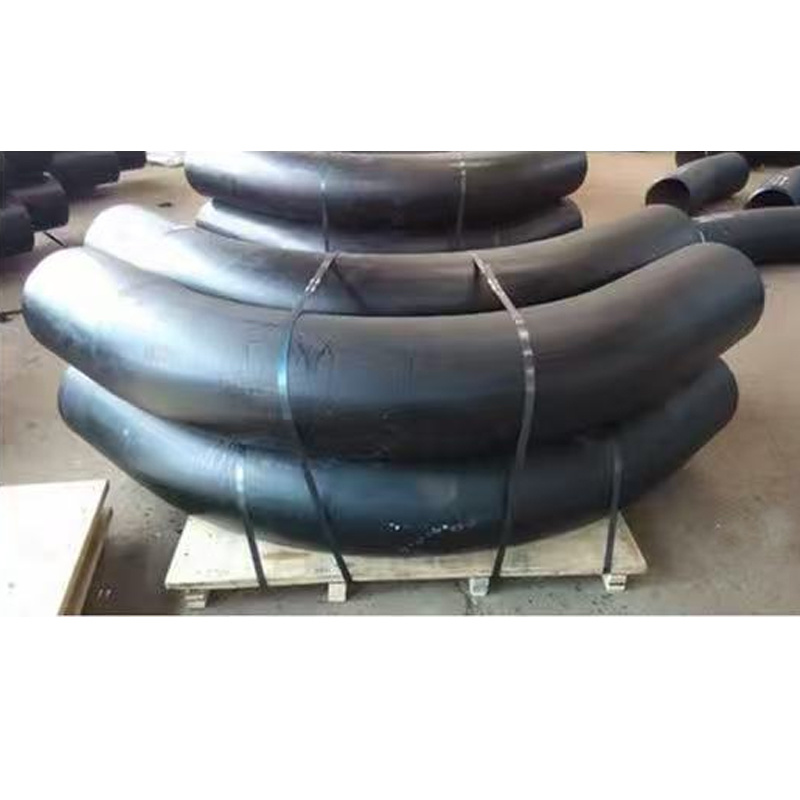
Understanding High-Pressure Plastic-Coated Bends in Industrial Piping Systems
High-pressure plastic-coated bends are critical components in industrial piping systems, especially in applications where durability and resistance to corrosion are paramount. These bends are specifically designed to manage the flow of fluids or gases under high-pressure conditions while maintaining optimal performance and reliability.
The primary function of high-pressure plastic-coated bends is
Sep 13,2026

How to Maintain High-Pressure Alloy Seamless Steel Pipes for Longevity
How to Maintain High-Pressure Alloy Seamless Steel Pipes for Longevity
Table of Contents
Understanding High-Pressure Alloy Seamless Steel Pipes
The Importance of Maintenance for High-Pressure Pipes
Common Challenges in Maintaining High-Pressure Pipes
Best Practices for Maintaining High-Pressure Alloy Seamless Steel Pipes
Regular Inspections and Assessments
Sep 09,2026
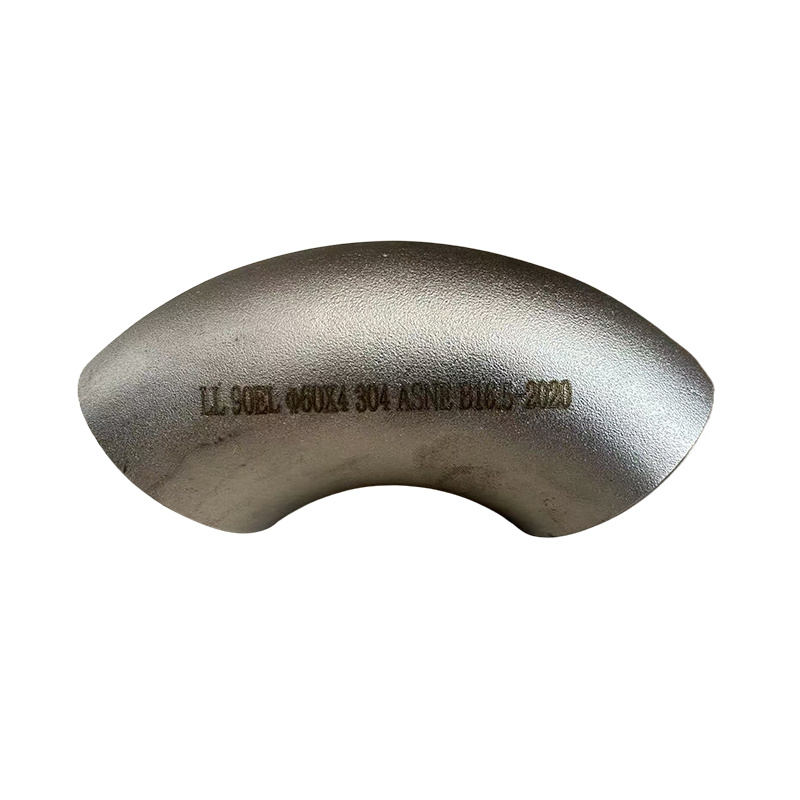
Understanding High-Pressure Alloy Bends: Essential Components for Industrial Piping Systems
High-pressure alloy bends are critical components in the design and operation of industrial piping systems. These bends facilitate the efficient transport of fluids and gases under high-pressure conditions, making them indispensable in various applications, including oil and gas, chemical processing, and power generation.
One of the primary advantages of high-pressure alloy bends is their ability
Sep 05,2026

Service E-mail
Tel
Tel
Address
Room 715, Block A, Qinglin Building, Chentangzhuang, Hexi District, Tianjin
Ask For A Quick Quote
We will contact you within one working day. Please pay attention to your email.