

Understanding High-Pressure Plastic-Coated Bends in Industrial Piping Systems
Aug 04,2026
High-pressure plastic-coated bends are essential components in industrial piping systems, particularly in applications that involve the transportation of fluids under elevated pressure conditions. These bends are designed to not only facilitate directional changes in piping layouts but also to provide enhanced protection against corrosion, wear, and other environmental factors that can affect the
High-pressure plastic-coated bends are essential components in industrial piping systems, particularly in applications that involve the transportation of fluids under elevated pressure conditions. These bends are designed to not only facilitate directional changes in piping layouts but also to provide enhanced protection against corrosion, wear, and other environmental factors that can affect the integrity of the piping system.
The primary advantage of high-pressure plastic-coated bends lies in their ability to withstand harsh conditions. The plastic coating acts as a barrier, preventing corrosive substances from coming into direct contact with the metal substrate. This is particularly important in industries such as chemicals, oil and gas, and water treatment, where the internal and external environments can be aggressive. By using high-pressure plastic-coated bends, engineers can significantly extend the lifespan of piping systems, reduce maintenance costs, and improve overall system reliability.
When selecting high-pressure plastic-coated bends, several factors need to be considered. Firstly, it is crucial to ensure that the bend is compatible with the pressure and temperature conditions of the specific application. High-quality bends are typically designed to meet or exceed industry standards for pressure ratings, ensuring that they can handle the operational demands without risk of failure.
Another important aspect is the type of plastic used for coating. Various materials, such as polyethylene and polypropylene, offer different levels of chemical resistance, flexibility, and durability. Understanding the specific requirements of the application will help in choosing the most suitable coating material. It is advisable to consult technical specifications and product datasheets to make an informed decision.
Installation is also a critical consideration. Proper fitting and securing of high-pressure plastic-coated bends are essential to prevent leaks and ensure the integrity of the piping system. During installation, care should be taken to avoid damaging the plastic coating, as any breaches can compromise the protective qualities of the bend.
Maintenance practices play a significant role in the longevity of high-pressure plastic-coated bends. Regular inspections should be conducted to identify any signs of wear, damage, or corrosion. Although the plastic coating provides enhanced protection, it is still essential to monitor the condition of the bends and the overall piping system to prevent unexpected failures.
In conclusion, high-pressure plastic-coated bends represent a vital component in maintaining efficient and reliable industrial piping systems. By understanding their benefits, selecting the right materials, and following proper installation and maintenance procedures, industries can maximize the performance of their piping systems and minimize operational risks. Whether dealing with corrosive chemicals or high-pressure fluids, incorporating these specialized bends can lead to significant advantages in system performance and durability.
The primary advantage of high-pressure plastic-coated bends lies in their ability to withstand harsh conditions. The plastic coating acts as a barrier, preventing corrosive substances from coming into direct contact with the metal substrate. This is particularly important in industries such as chemicals, oil and gas, and water treatment, where the internal and external environments can be aggressive. By using high-pressure plastic-coated bends, engineers can significantly extend the lifespan of piping systems, reduce maintenance costs, and improve overall system reliability.
When selecting high-pressure plastic-coated bends, several factors need to be considered. Firstly, it is crucial to ensure that the bend is compatible with the pressure and temperature conditions of the specific application. High-quality bends are typically designed to meet or exceed industry standards for pressure ratings, ensuring that they can handle the operational demands without risk of failure.
Another important aspect is the type of plastic used for coating. Various materials, such as polyethylene and polypropylene, offer different levels of chemical resistance, flexibility, and durability. Understanding the specific requirements of the application will help in choosing the most suitable coating material. It is advisable to consult technical specifications and product datasheets to make an informed decision.
Installation is also a critical consideration. Proper fitting and securing of high-pressure plastic-coated bends are essential to prevent leaks and ensure the integrity of the piping system. During installation, care should be taken to avoid damaging the plastic coating, as any breaches can compromise the protective qualities of the bend.
Maintenance practices play a significant role in the longevity of high-pressure plastic-coated bends. Regular inspections should be conducted to identify any signs of wear, damage, or corrosion. Although the plastic coating provides enhanced protection, it is still essential to monitor the condition of the bends and the overall piping system to prevent unexpected failures.
In conclusion, high-pressure plastic-coated bends represent a vital component in maintaining efficient and reliable industrial piping systems. By understanding their benefits, selecting the right materials, and following proper installation and maintenance procedures, industries can maximize the performance of their piping systems and minimize operational risks. Whether dealing with corrosive chemicals or high-pressure fluids, incorporating these specialized bends can lead to significant advantages in system performance and durability.
Key words:
RELATED INFORMATION
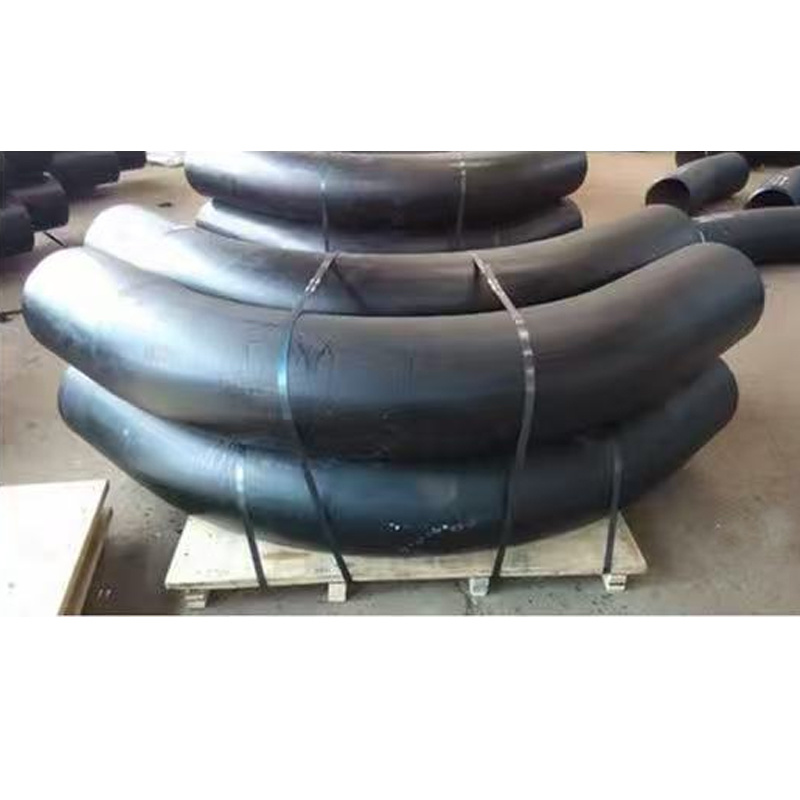
Understanding High-Pressure Plastic-Coated Bends in Industrial Piping Systems
High-pressure plastic-coated bends are critical components in industrial piping systems, especially in applications where durability and resistance to corrosion are paramount. These bends are specifically designed to manage the flow of fluids or gases under high-pressure conditions while maintaining optimal performance and reliability.
The primary function of high-pressure plastic-coated bends is
Sep 13,2026

How to Maintain High-Pressure Alloy Seamless Steel Pipes for Longevity
How to Maintain High-Pressure Alloy Seamless Steel Pipes for Longevity
Table of Contents
Understanding High-Pressure Alloy Seamless Steel Pipes
The Importance of Maintenance for High-Pressure Pipes
Common Challenges in Maintaining High-Pressure Pipes
Best Practices for Maintaining High-Pressure Alloy Seamless Steel Pipes
Regular Inspections and Assessments
Sep 09,2026
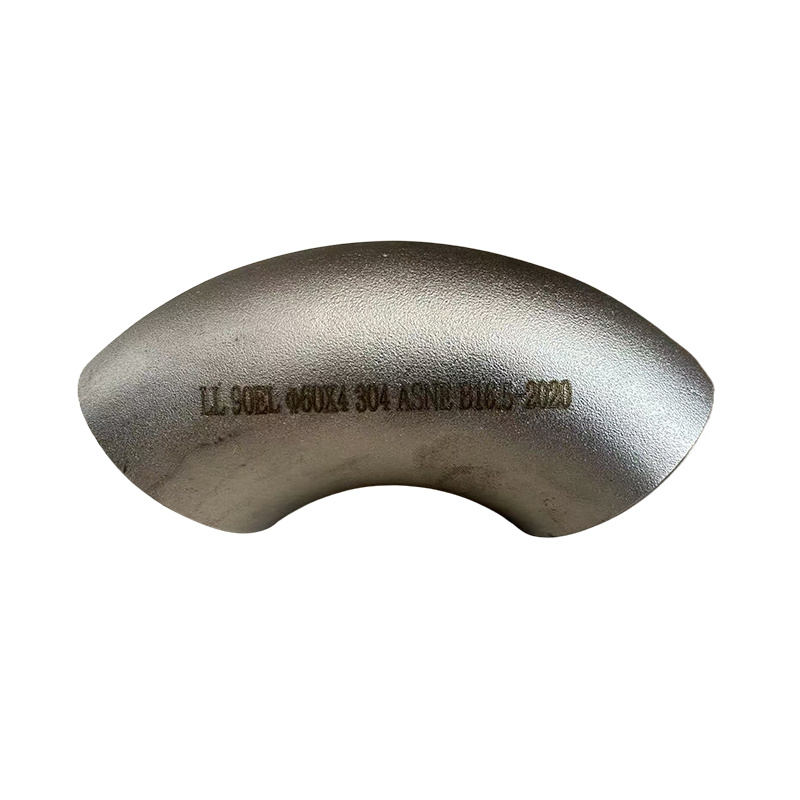
Understanding High-Pressure Alloy Bends: Essential Components for Industrial Piping Systems
High-pressure alloy bends are critical components in the design and operation of industrial piping systems. These bends facilitate the efficient transport of fluids and gases under high-pressure conditions, making them indispensable in various applications, including oil and gas, chemical processing, and power generation.
One of the primary advantages of high-pressure alloy bends is their ability
Sep 05,2026

Service E-mail
Tel
Tel
Address
Room 715, Block A, Qinglin Building, Chentangzhuang, Hexi District, Tianjin
Ask For A Quick Quote
We will contact you within one working day. Please pay attention to your email.