

High-Pressure Stainless Steel Seamless Pipes: An Essential Material for Modern Infrastructure
Aug 08,2026
High-Pressure Stainless Steel Seamless Pipes: An Essential Material for Modern Infrastructure
Table of Contents
Introduction to High-Pressure Stainless Steel Seamless Pipes
Understanding Seamless Pipes: Construction and Benefits
Key Properties of High-Pressure Stainless Steel Seamless Pipes
Applications of High-Pressure Stainless Steel Seamless Pipes
Advantages of Using High-P
High-Pressure Stainless Steel Seamless Pipes: An Essential Material for Modern Infrastructure
Table of Contents
- Introduction to High-Pressure Stainless Steel Seamless Pipes
- Understanding Seamless Pipes: Construction and Benefits
- Key Properties of High-Pressure Stainless Steel Seamless Pipes
- Applications of High-Pressure Stainless Steel Seamless Pipes
- Advantages of Using High-Pressure Stainless Steel Seamless Pipes
- Maintenance and Longevity of Stainless Steel Pipes
- Industry Standards and Certifications
- Frequently Asked Questions (FAQs)
- Conclusion
Introduction to High-Pressure Stainless Steel Seamless Pipes
In today's rapidly evolving construction landscape, the demand for **high-pressure stainless steel seamless pipes** is more significant than ever. These pipes are not merely a component of infrastructure; they represent a commitment to durability, safety, and efficiency. Their seamless design enhances performance in high-pressure applications, making them a favored choice in various sectors, including oil and gas, chemical processing, and water treatment.
Understanding Seamless Pipes: Construction and Benefits
Seamless pipes are manufactured through a process that eliminates the need for welding, which often leads to weaknesses in the structure. Instead, these pipes are formed from a solid billet that is heated and extruded to create a robust and uniform pipe. This method offers several **crucial advantages**:
Uninterrupted Strength
The absence of seams means that high-pressure stainless steel seamless pipes can withstand greater internal pressures and stresses without risk of failure. This characteristic is vital in industries where safety is paramount.
Corrosion Resistance
Stainless steel, by its very nature, is resistant to corrosion. This quality prolongs the life of pipes, especially in harsh environments, where exposure to chemicals or moisture is inevitable.
Key Properties of High-Pressure Stainless Steel Seamless Pipes
The properties of high-pressure stainless steel seamless pipes make them ideal for a variety of applications. Some of the most noteworthy attributes include:
High Tensile Strength
These pipes can bear substantial loads without deforming, making them suitable for high-stress applications.
Temperature Resistance
They can operate efficiently in extreme temperature conditions, from cryogenic temperatures to high heat, without compromising structural integrity.
Weldability
While seamless pipes do not require welding during manufacturing, they can be welded to other components with minimal risk of compromise, allowing for flexibility in assembly.
Lightweight Design
Despite their strength, seamless pipes are lighter than their welded counterparts, which reduces transportation and installation costs.
Applications of High-Pressure Stainless Steel Seamless Pipes
High-pressure stainless steel seamless pipes are versatile and find applications across numerous industries:
Oil and Gas Industry
In the oil and gas sector, these pipes are essential for transporting crude oil and natural gas. Their durability ensures they can withstand the extreme pressures and corrosive environments typically associated with this industry.
Chemical Processing
In chemical manufacturing, the resistance to corrosion and ability to handle pressurized fluids make these pipes a staple.
Water Treatment Facilities
Seamless pipes are crucial in municipal water systems and wastewater treatment facilities, where durability and hygiene are paramount.
Construction and Infrastructure
In construction, high-pressure stainless steel seamless pipes are used in structural applications and as part of plumbing and heating systems.
Advantages of Using High-Pressure Stainless Steel Seamless Pipes
The benefits of choosing high-pressure stainless steel seamless pipes are extensive:
Enhanced Safety
The structural integrity of seamless pipes significantly reduces the risk of leaks and failures, enhancing safety in high-stakes environments.
Cost-Effectiveness
Though the initial investment may be higher, the longevity and lower maintenance needs of stainless steel pipes lead to reduced long-term costs.
Eco-Friendliness
Stainless steel is recyclable, making these pipes an environmentally responsible choice for sustainable construction practices.
Improved Flow Characteristics
The smooth internal surface of seamless pipes promotes better flow rates, minimizing pressure drops and energy costs in transport systems.
Maintenance and Longevity of Stainless Steel Pipes
Maintaining high-pressure stainless steel seamless pipes is relatively straightforward. Regular inspections should focus on:
Corrosion Checks
Despite their resistance, it's wise to regularly check for signs of corrosion, especially in areas exposed to harsh chemicals.
Pressure Testing
Conduct pressure tests to ensure the integrity of the pipes, particularly after installation or if any modifications have been made.
Cleaning
Periodically clean the pipes to remove any deposits or buildup that could affect their performance.
Industry Standards and Certifications
Adhering to industry standards is crucial for ensuring the reliability and safety of high-pressure stainless steel seamless pipes. Certifications such as ASTM (American Society for Testing and Materials) and ASME (American Society of Mechanical Engineers) provide guidelines that manufacturers must follow, ensuring that the pipes meet rigorous safety and performance criteria.
Frequently Asked Questions (FAQs)
1. What is the difference between seamless and welded pipes?
Seamless pipes are manufactured without welding, resulting in greater strength and integrity, whereas welded pipes may have seams that can weaken the structure.
2. How are high-pressure stainless steel seamless pipes tested for quality?
Quality testing involves various methods, including hydrostatic testing, ultrasonic testing, and visual inspections to ensure they meet industry standards.
3. Can seamless pipes be used in high-temperature applications?
Yes, high-pressure stainless steel seamless pipes are designed to handle a wide range of temperatures, making them suitable for both high and low-temperature applications.
4. What are the common grades of stainless steel used in seamless pipes?
Common grades include 304, 316, and 321 stainless steel, each offering unique properties suitable for various applications.
5. How long do high-pressure seamless pipes typically last?
With proper maintenance and in the right conditions, high-pressure stainless steel seamless pipes can last for decades, often over 50 years.
Conclusion
High-pressure stainless steel seamless pipes are indispensable to modern infrastructure. Their unique properties, diverse applications, and significant advantages contribute to a safer, more efficient construction landscape. By understanding their importance and adhering to industry standards, we can ensure the longevity and reliability of these essential materials. As we continue to innovate and adapt in various sectors, the role of high-pressure stainless steel seamless pipes will undoubtedly remain crucial in supporting our infrastructure needs.
Key words:
RELATED INFORMATION
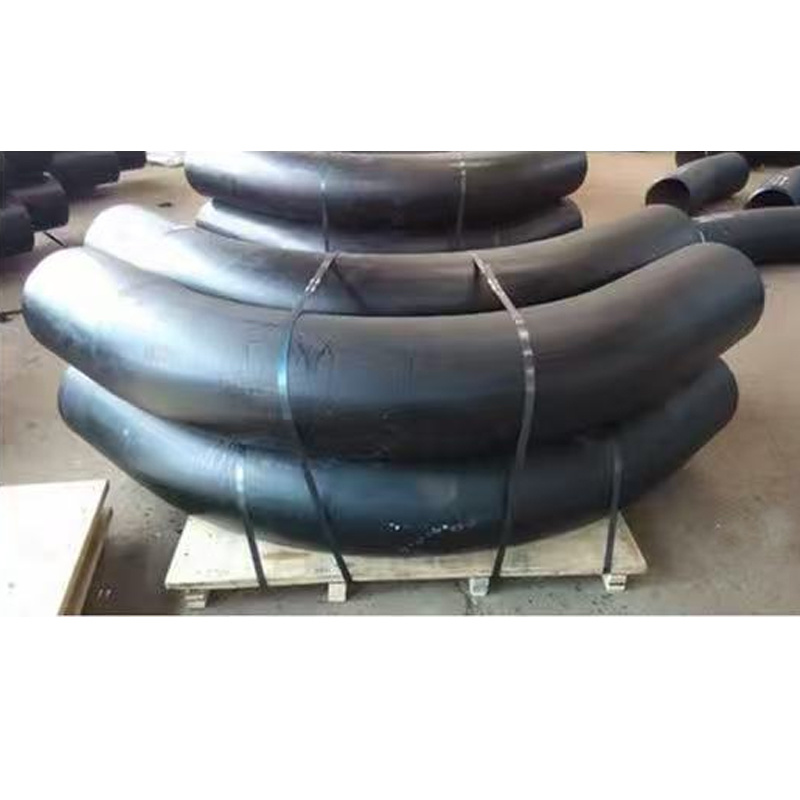
Understanding High-Pressure Plastic-Coated Bends in Industrial Piping Systems
High-pressure plastic-coated bends are critical components in industrial piping systems, especially in applications where durability and resistance to corrosion are paramount. These bends are specifically designed to manage the flow of fluids or gases under high-pressure conditions while maintaining optimal performance and reliability.
The primary function of high-pressure plastic-coated bends is
Sep 13,2026

How to Maintain High-Pressure Alloy Seamless Steel Pipes for Longevity
How to Maintain High-Pressure Alloy Seamless Steel Pipes for Longevity
Table of Contents
Understanding High-Pressure Alloy Seamless Steel Pipes
The Importance of Maintenance for High-Pressure Pipes
Common Challenges in Maintaining High-Pressure Pipes
Best Practices for Maintaining High-Pressure Alloy Seamless Steel Pipes
Regular Inspections and Assessments
Sep 09,2026
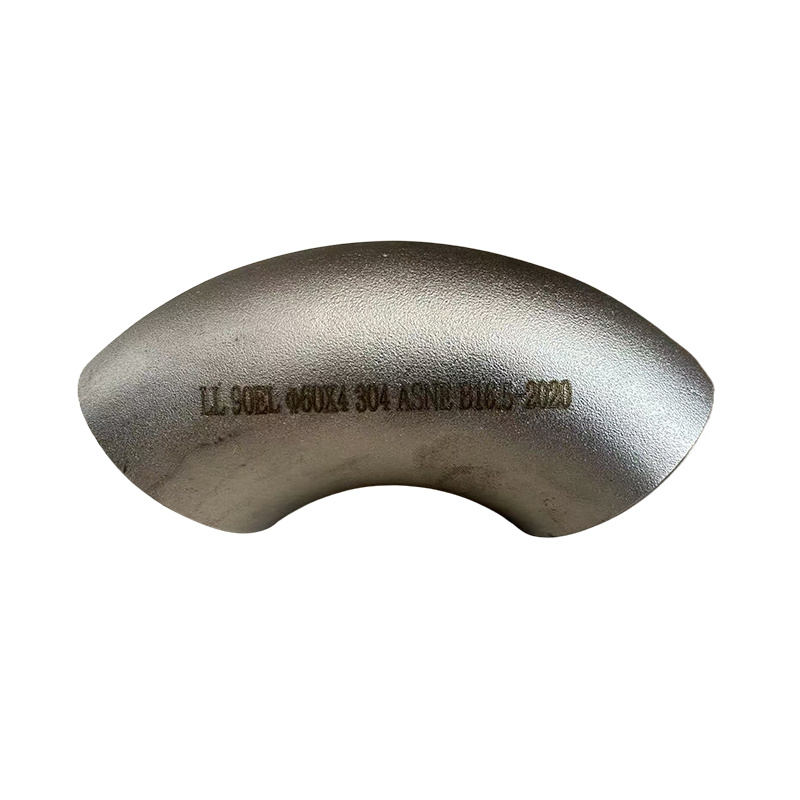
Understanding High-Pressure Alloy Bends: Essential Components for Industrial Piping Systems
High-pressure alloy bends are critical components in the design and operation of industrial piping systems. These bends facilitate the efficient transport of fluids and gases under high-pressure conditions, making them indispensable in various applications, including oil and gas, chemical processing, and power generation.
One of the primary advantages of high-pressure alloy bends is their ability
Sep 05,2026

Service E-mail
Tel
Tel
Address
Room 715, Block A, Qinglin Building, Chentangzhuang, Hexi District, Tianjin
Ask For A Quick Quote
We will contact you within one working day. Please pay attention to your email.